
Sport Tiles 101: What They Are and Why They're Taking Over
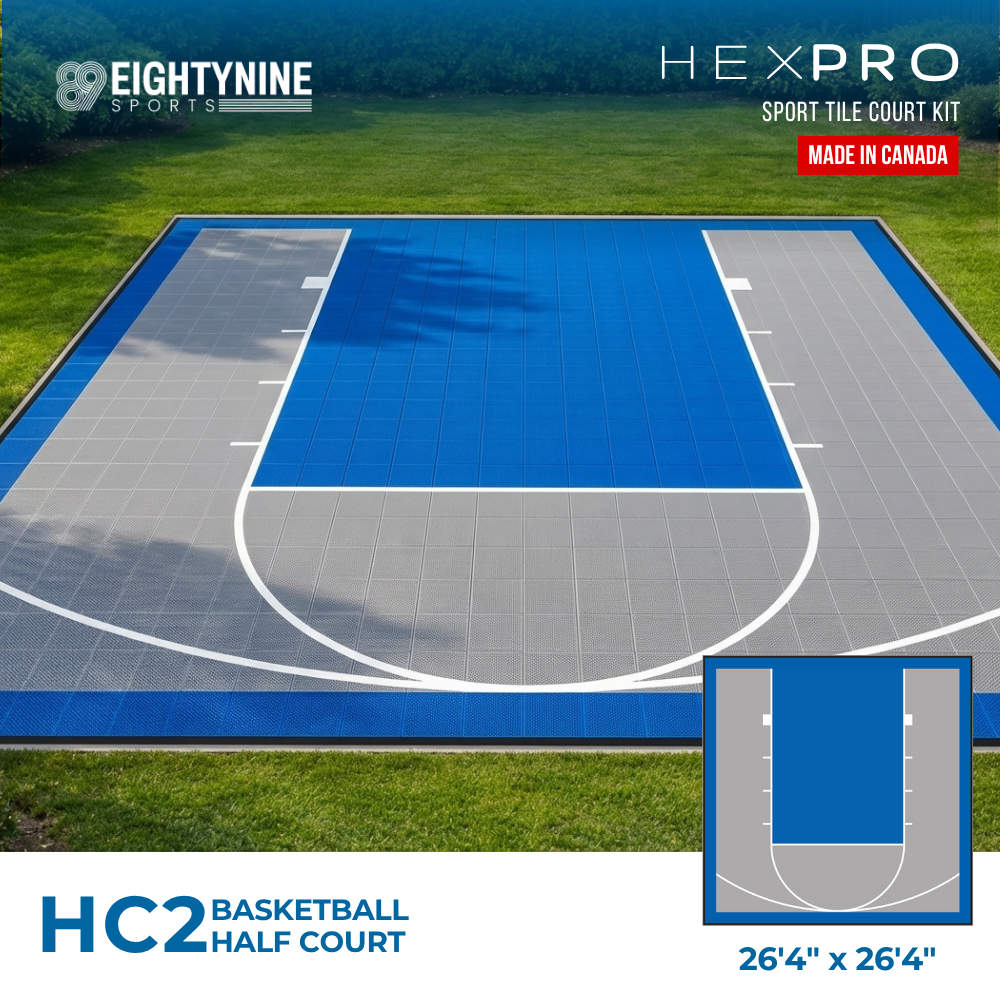
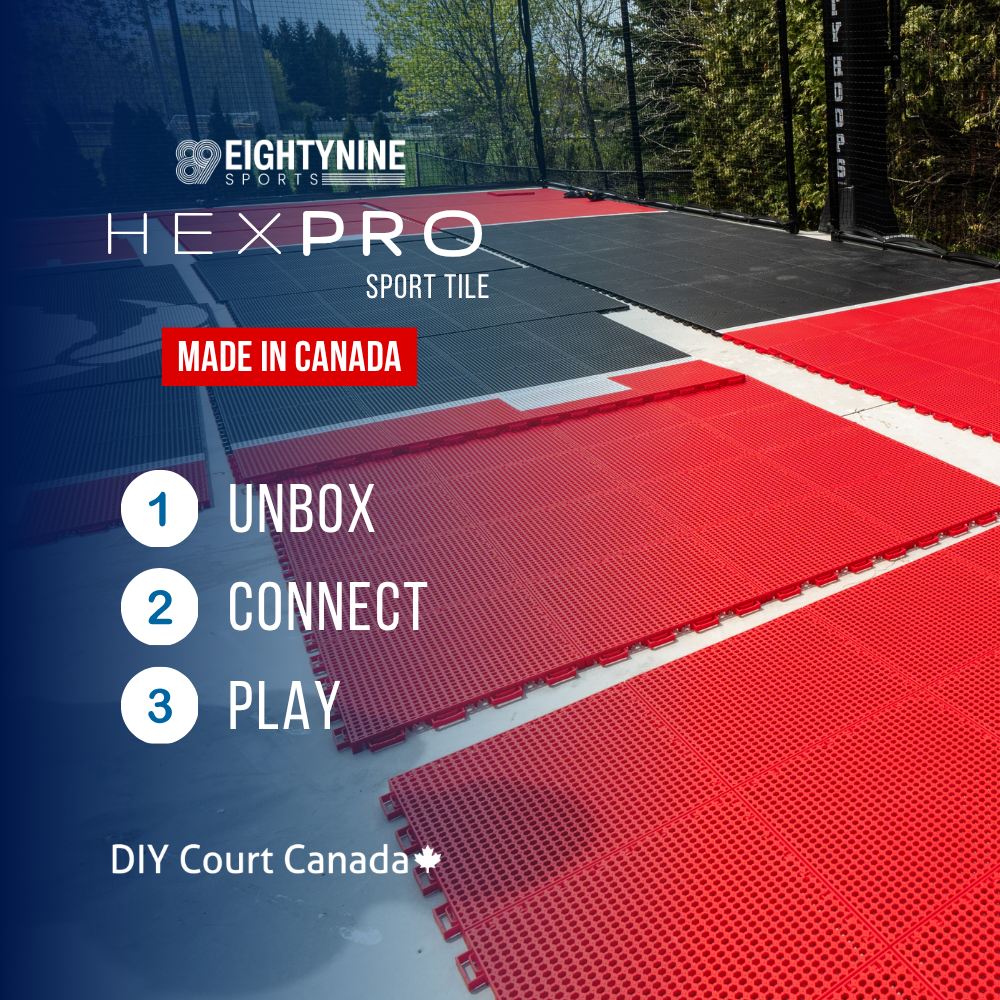
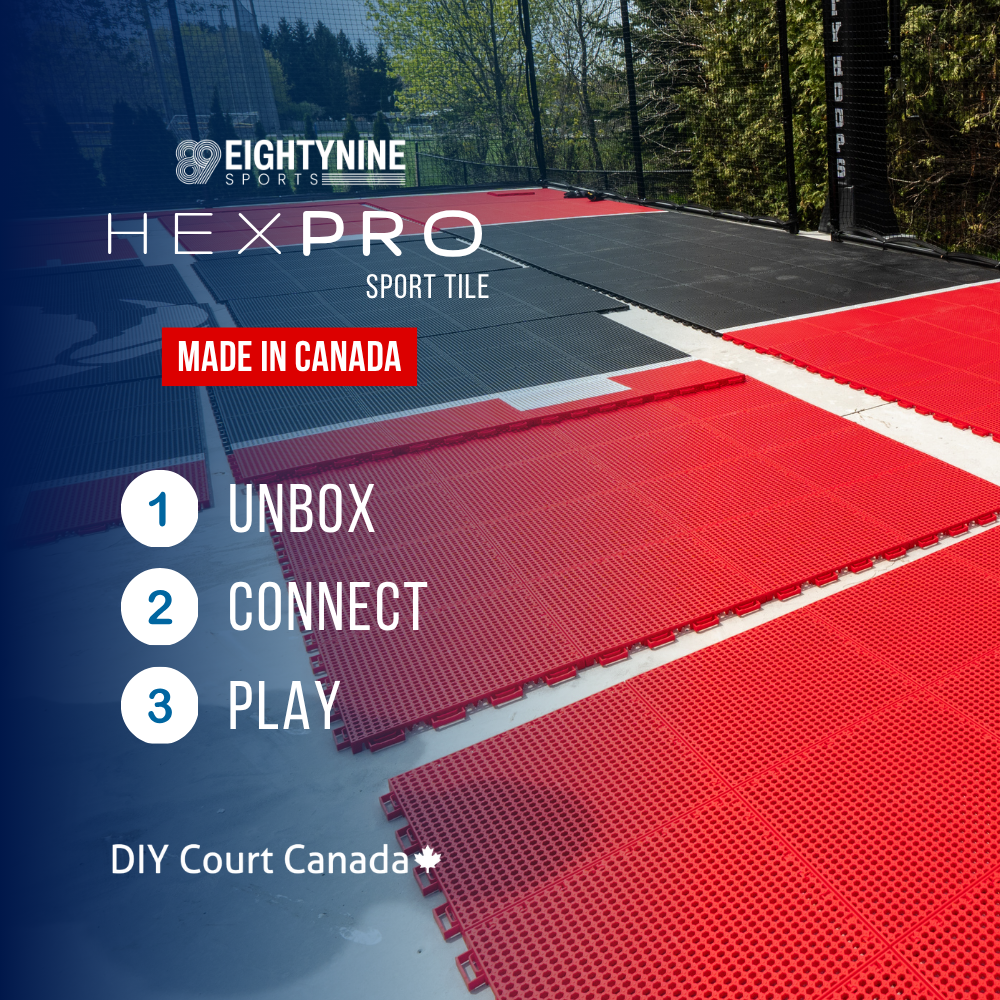
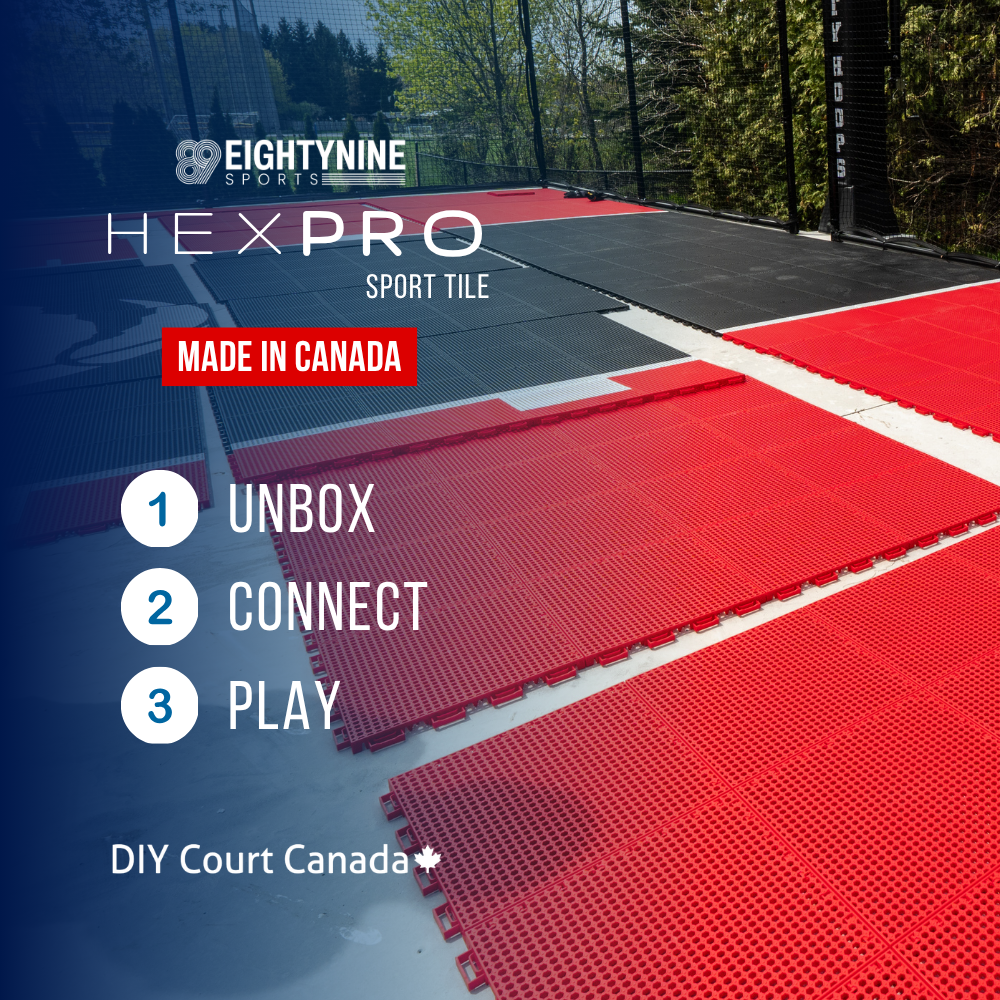
For decades, building a court meant one thing: asphalt or concrete, finished with a painted acrylic coating. That's still a solid, proven approach. But modular sport tiles, like HEXPRO Sport Tiles by EIGHTYNINE Sports, have become a fast-growing alternative, with courts going down in a single afternoon instead of a multi-day or week paint job.
Here's what sport tiles actually are, what they cost, who they're built for, and how they compare to traditional acrylic coatings.
What Are Sport Tiles?
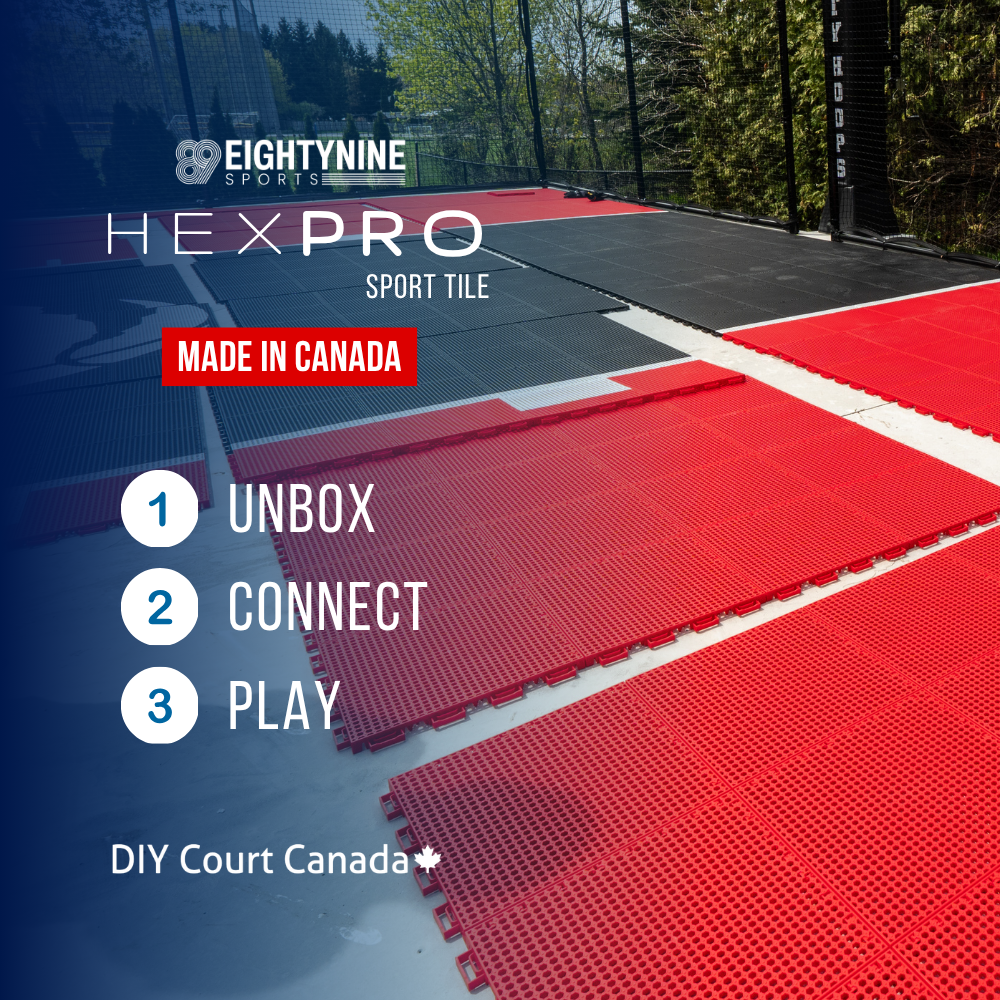
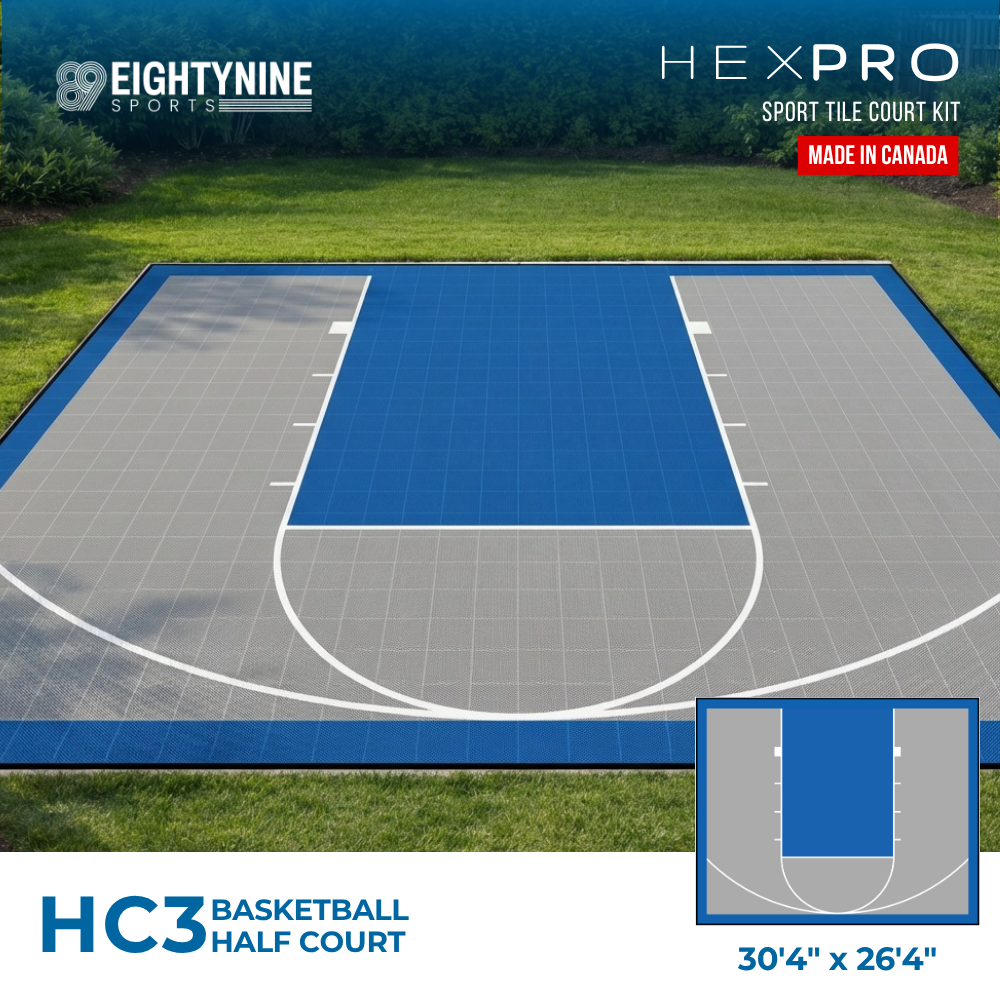
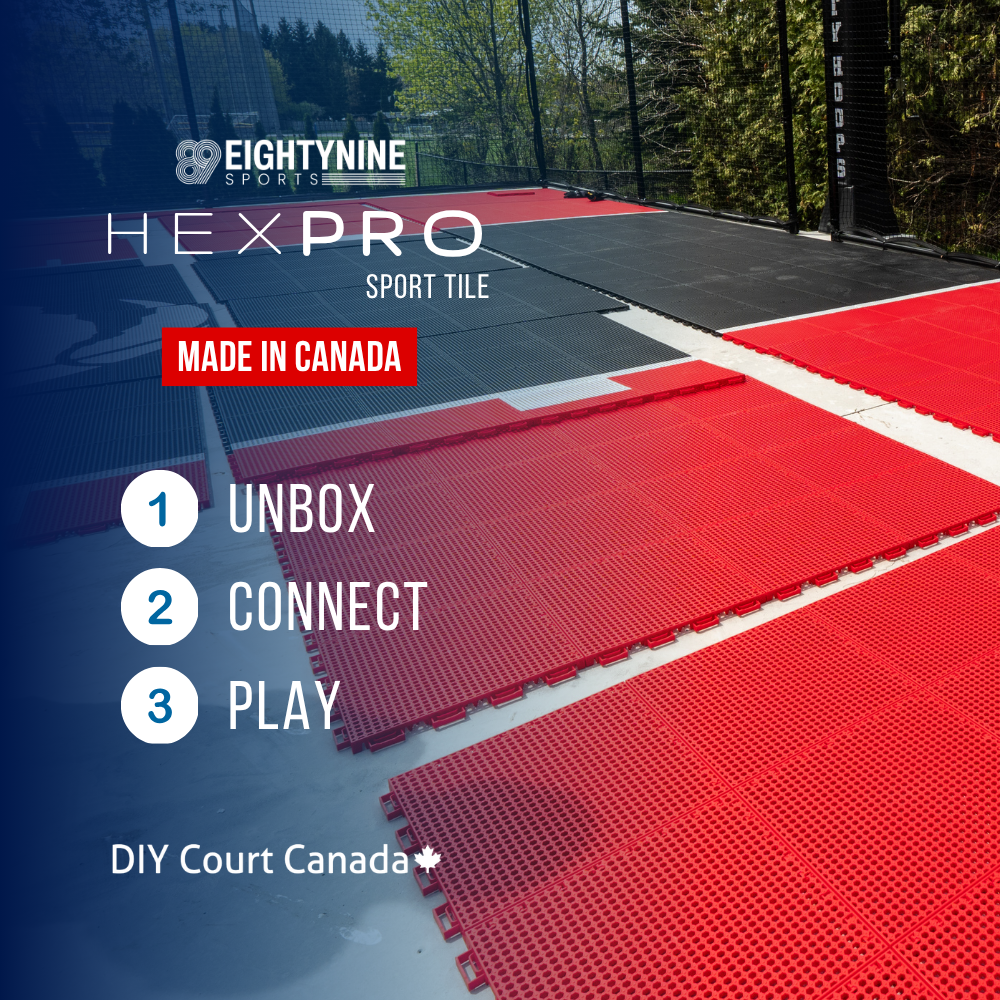
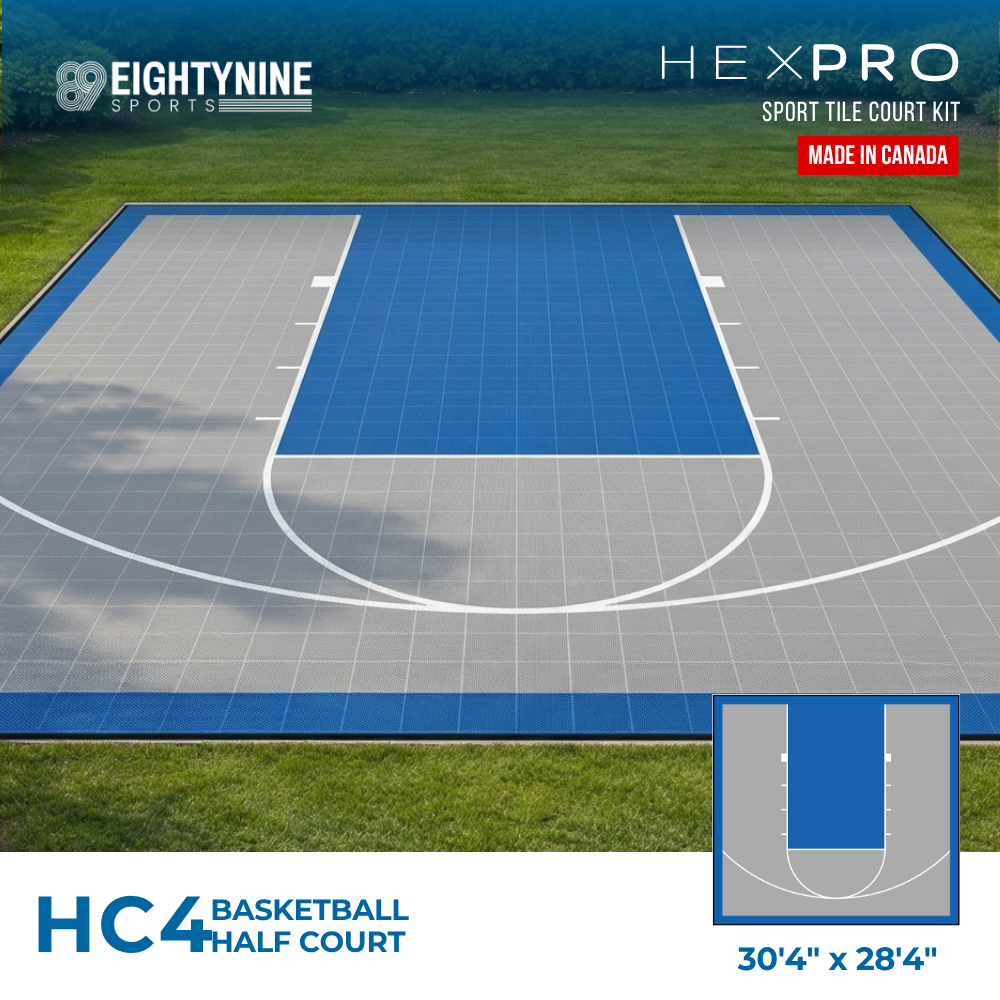
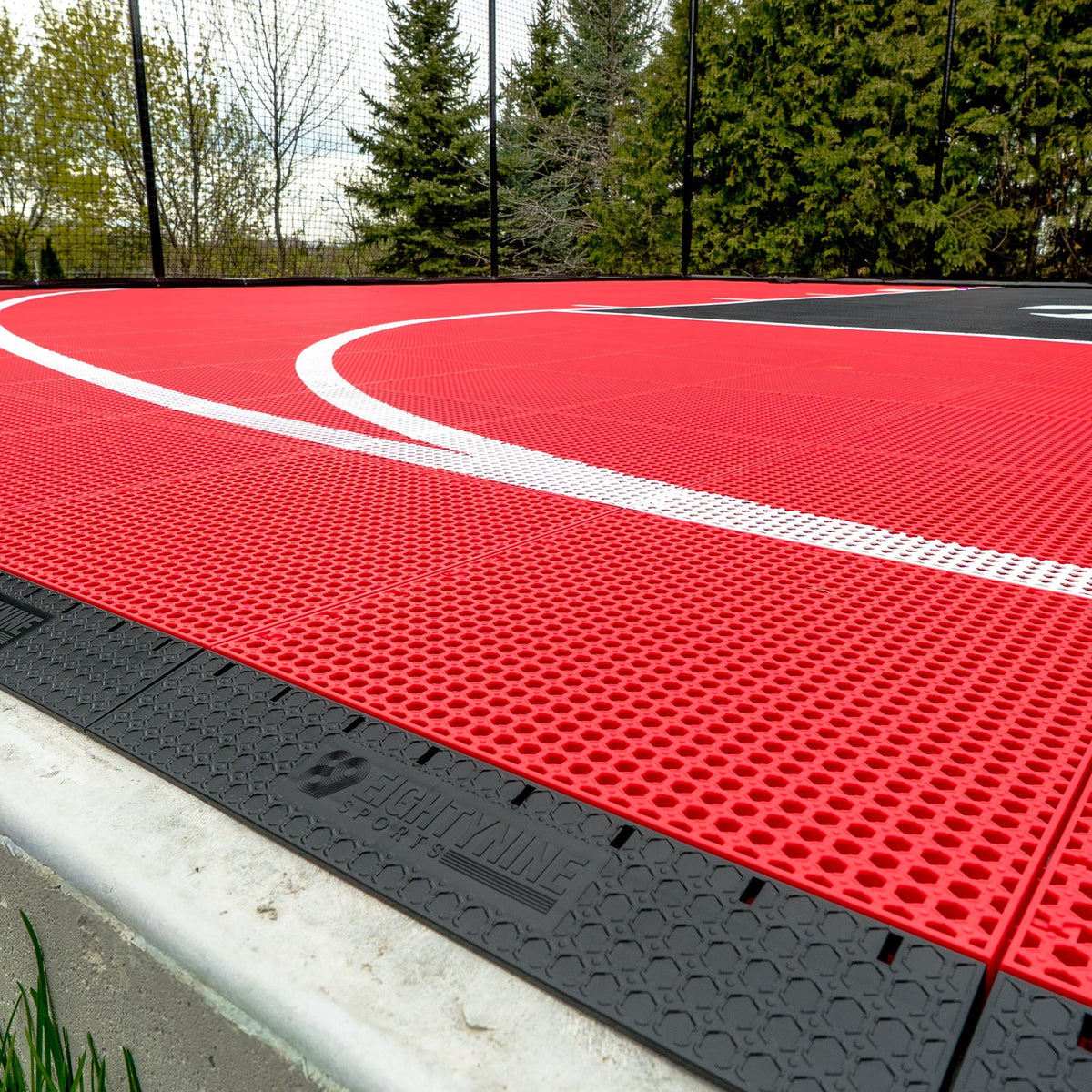
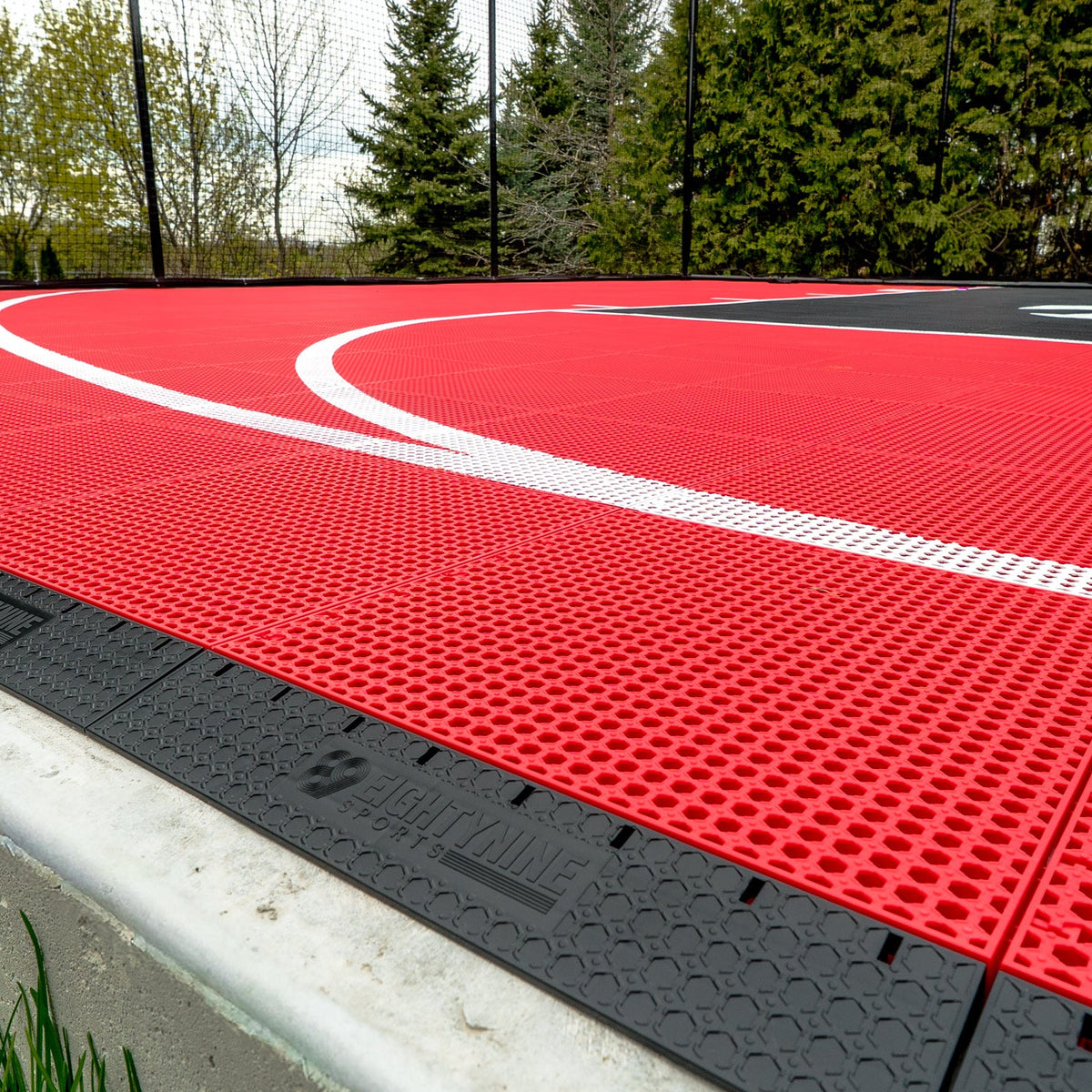
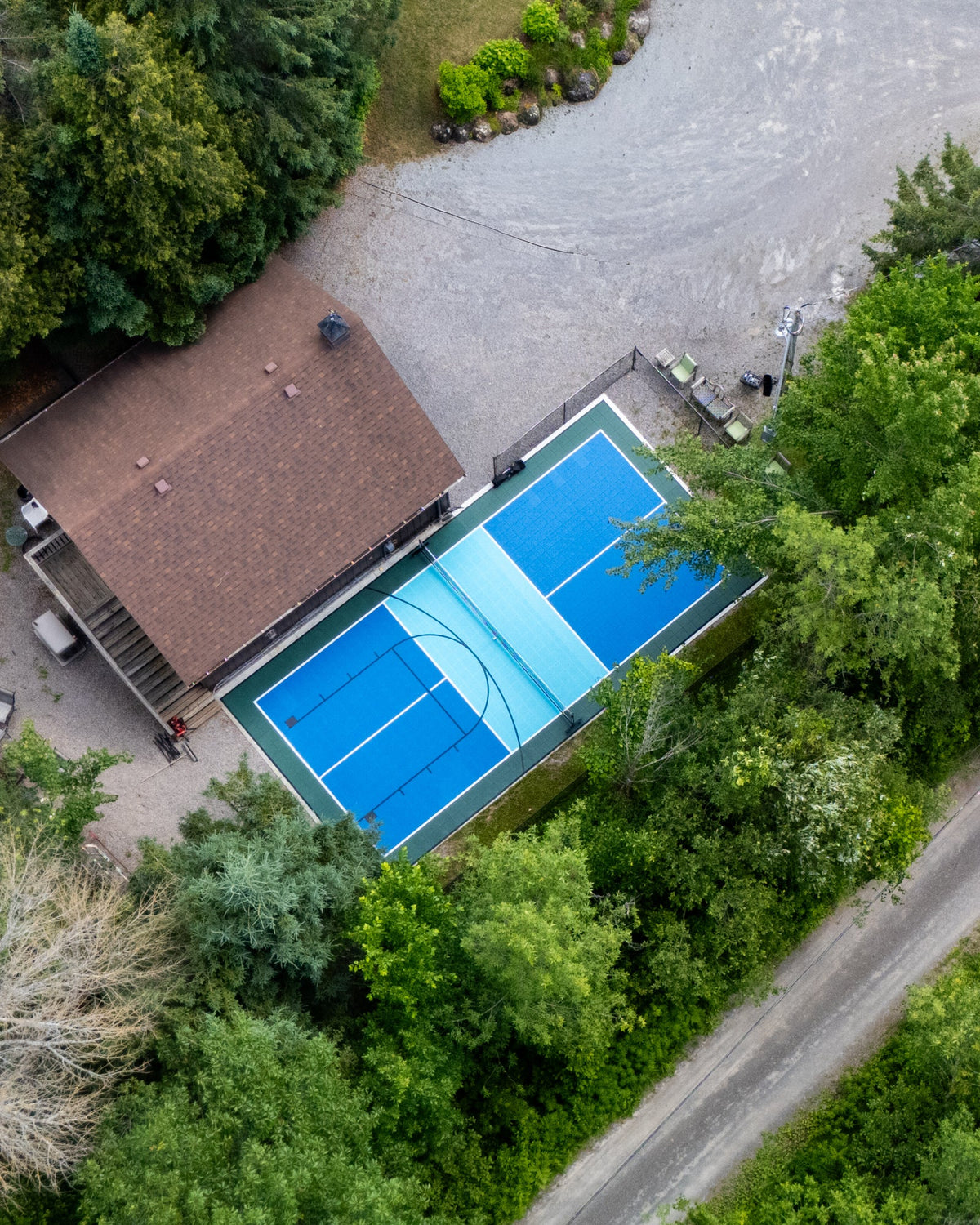
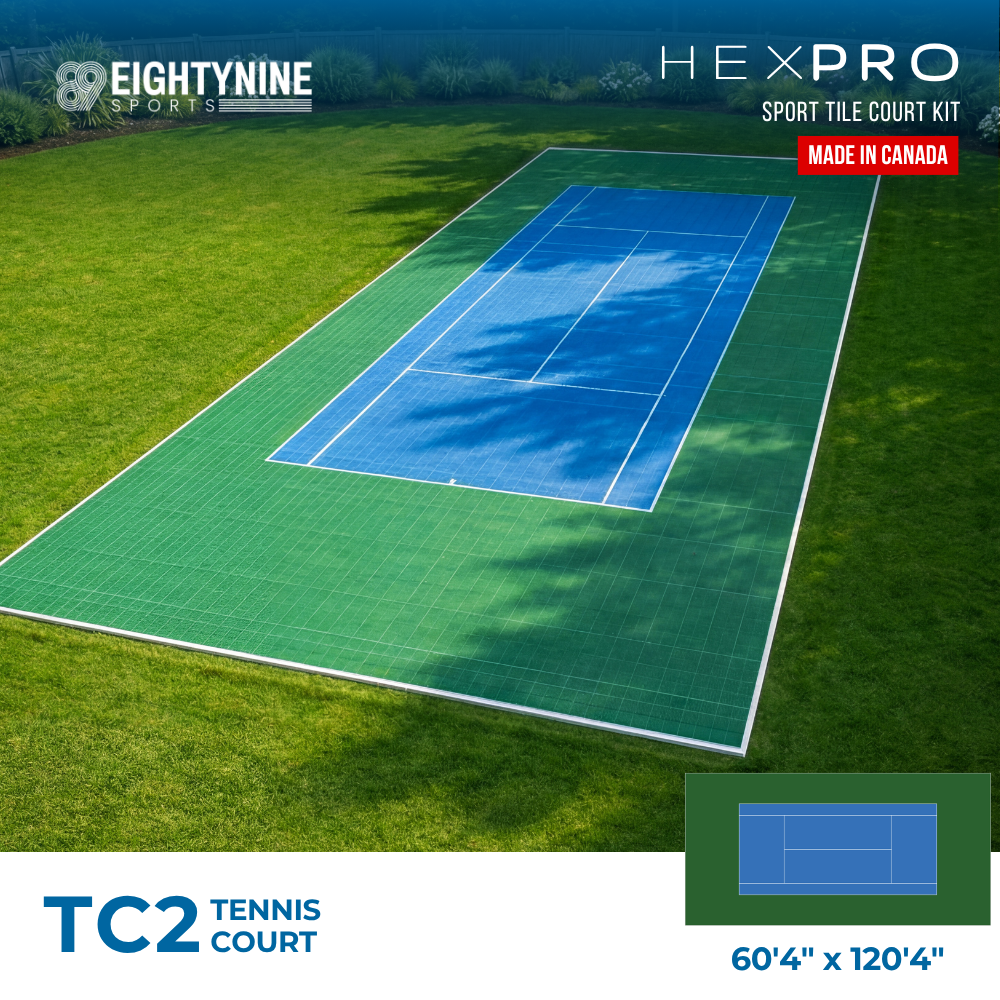
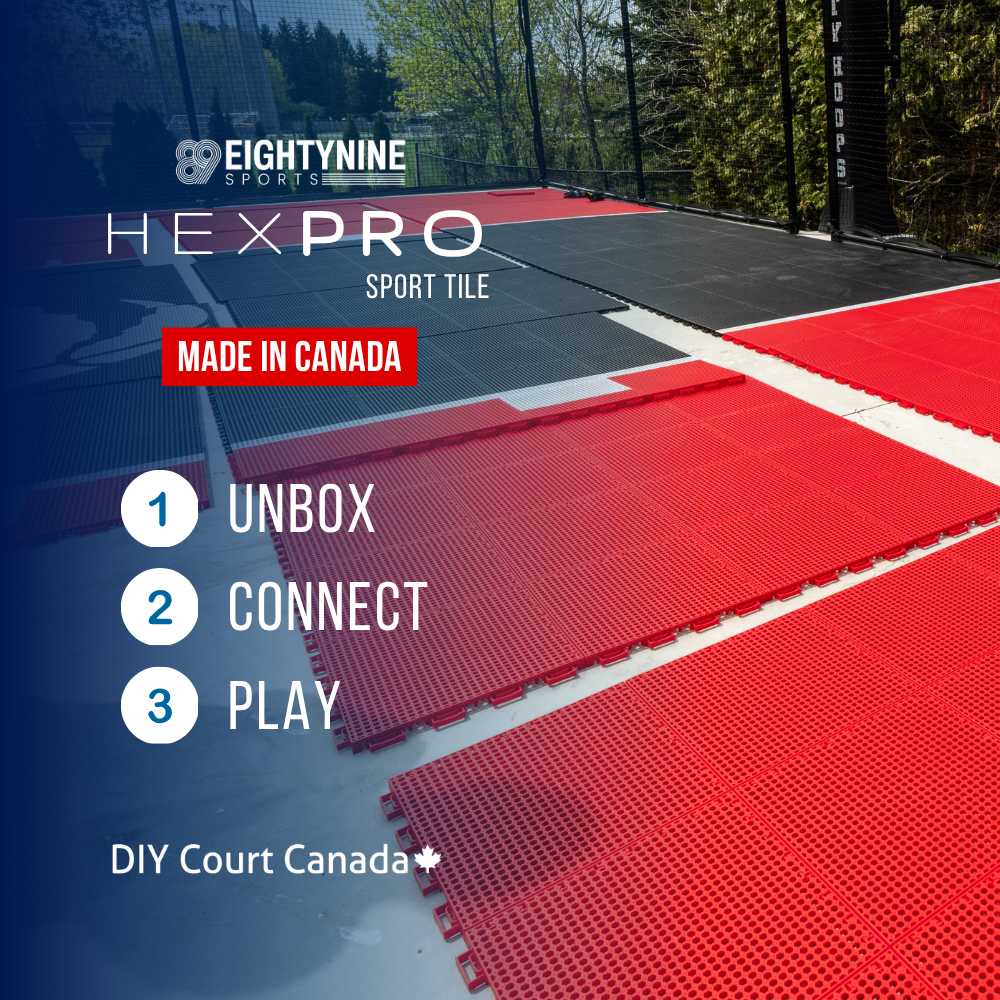
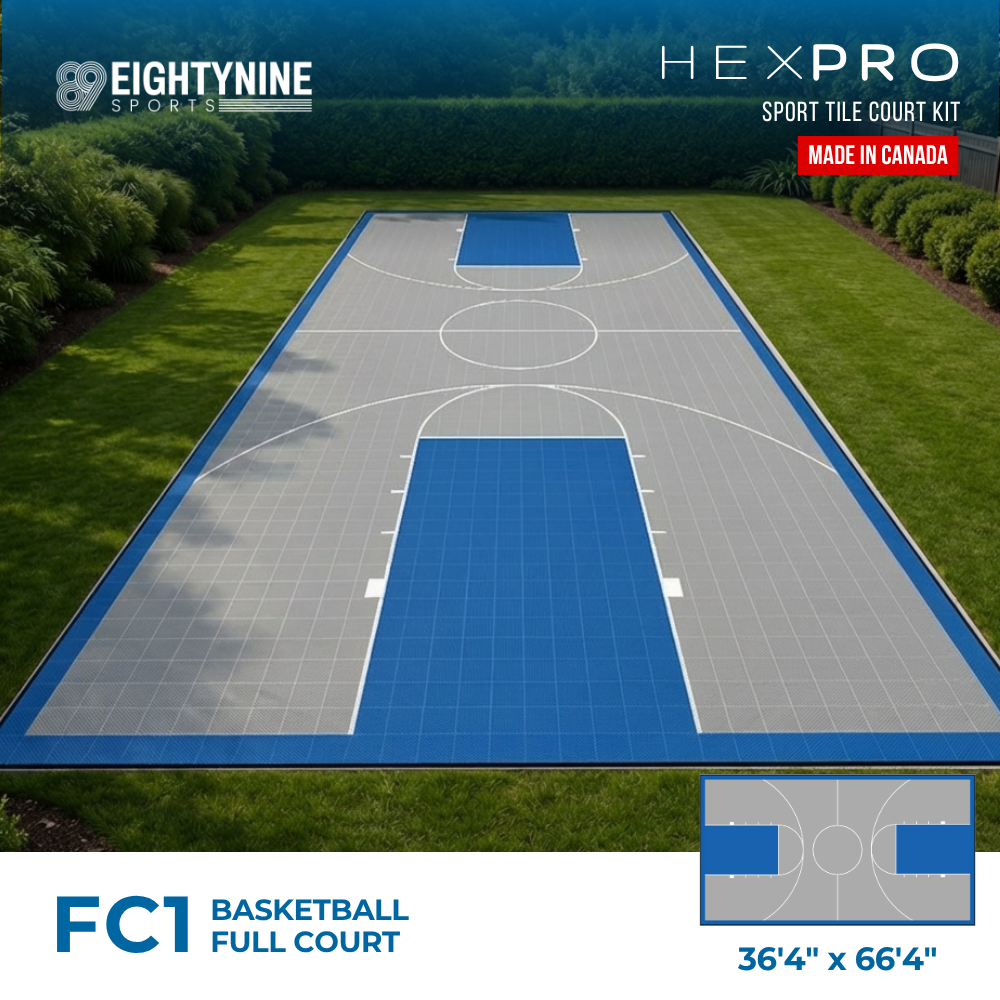
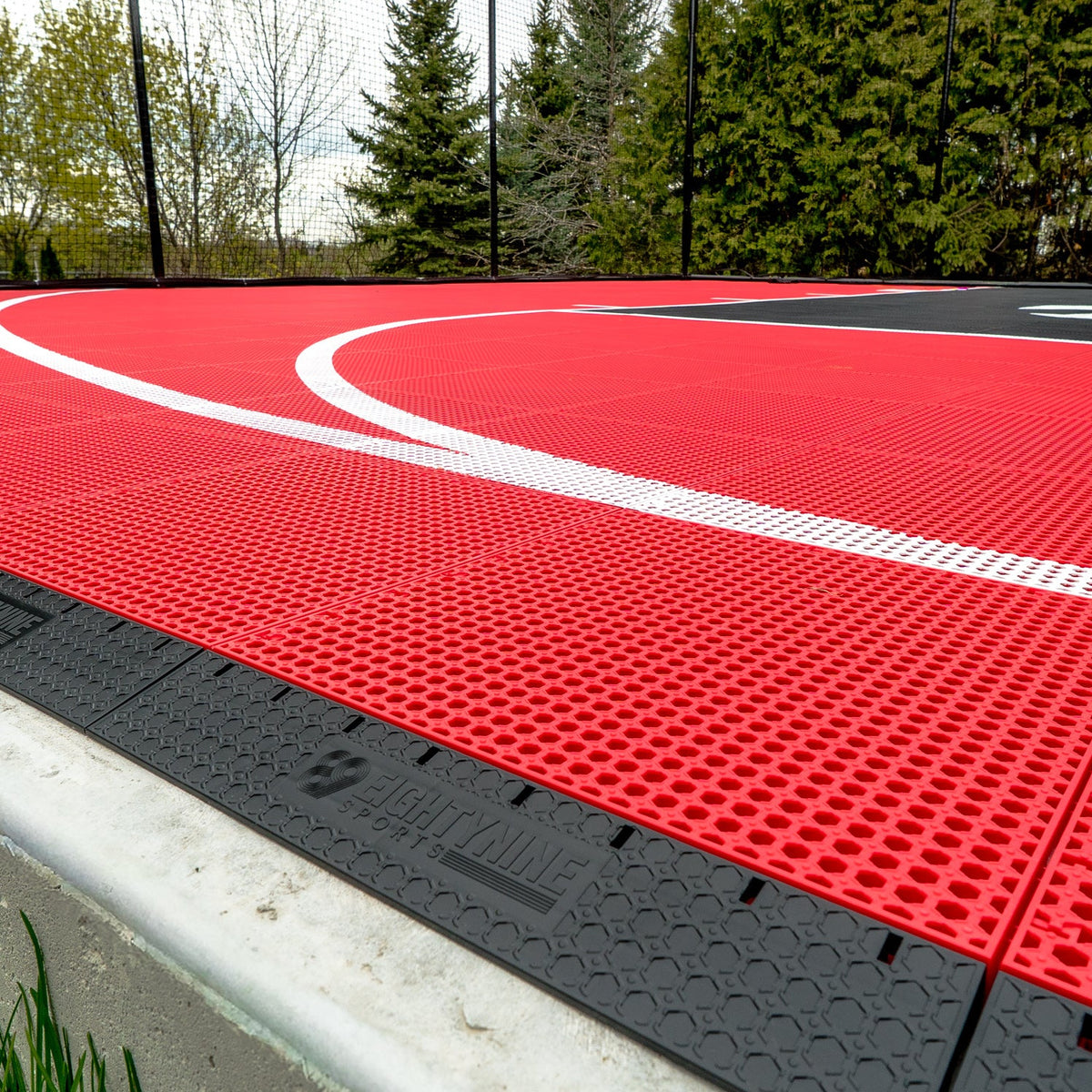
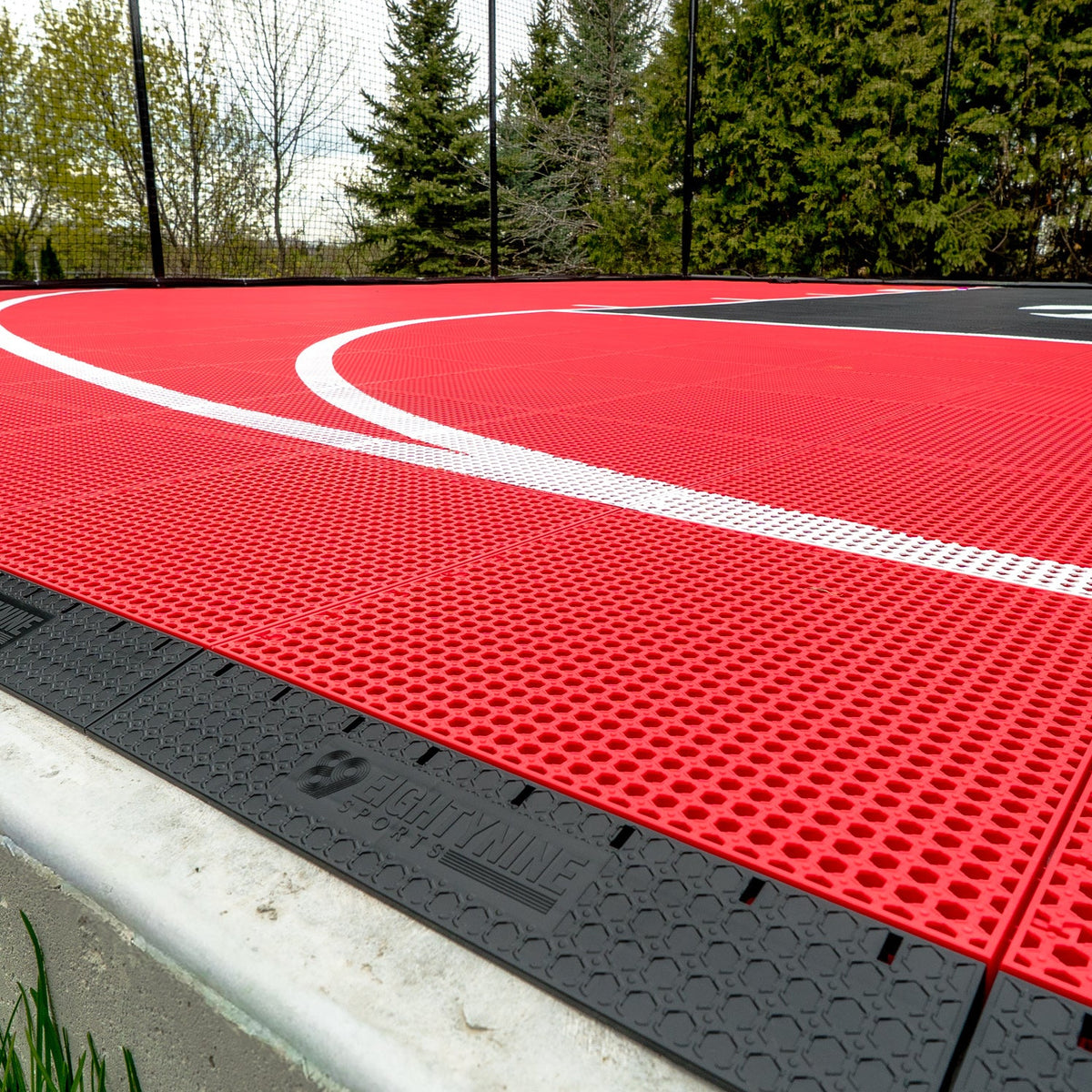
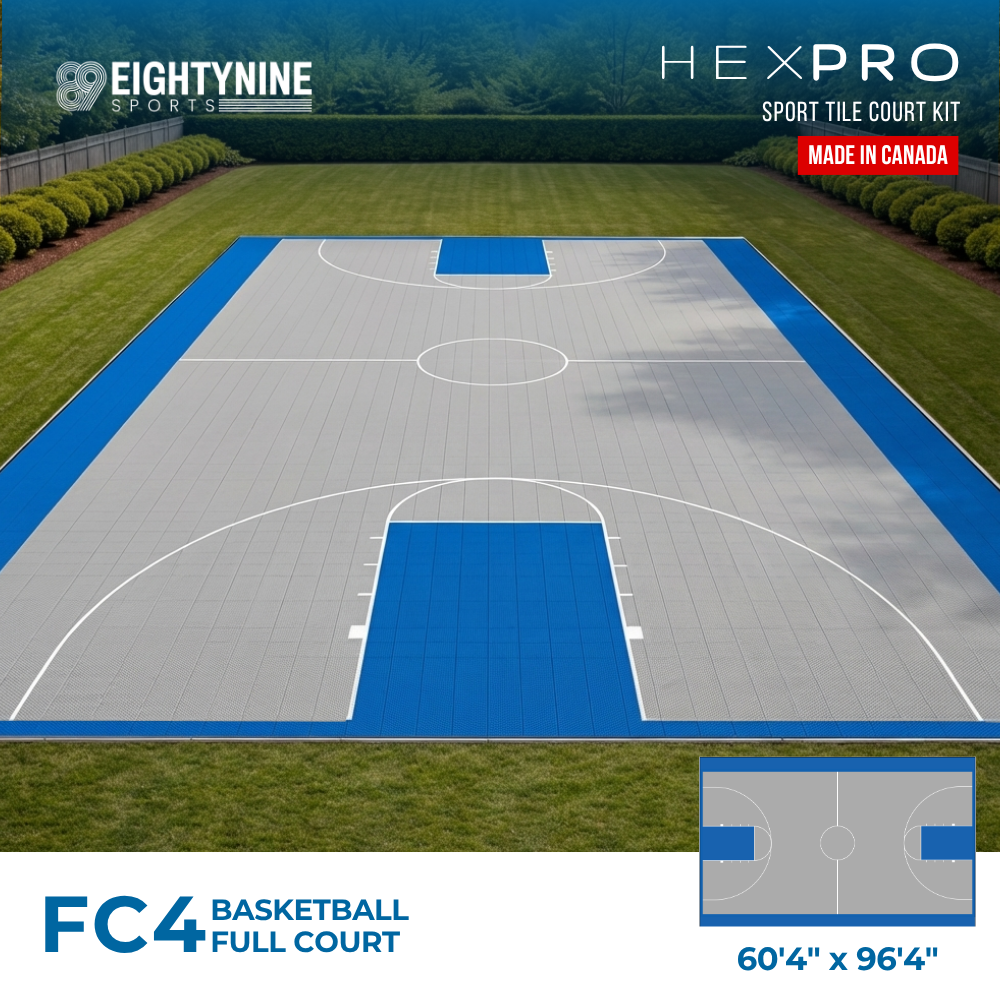
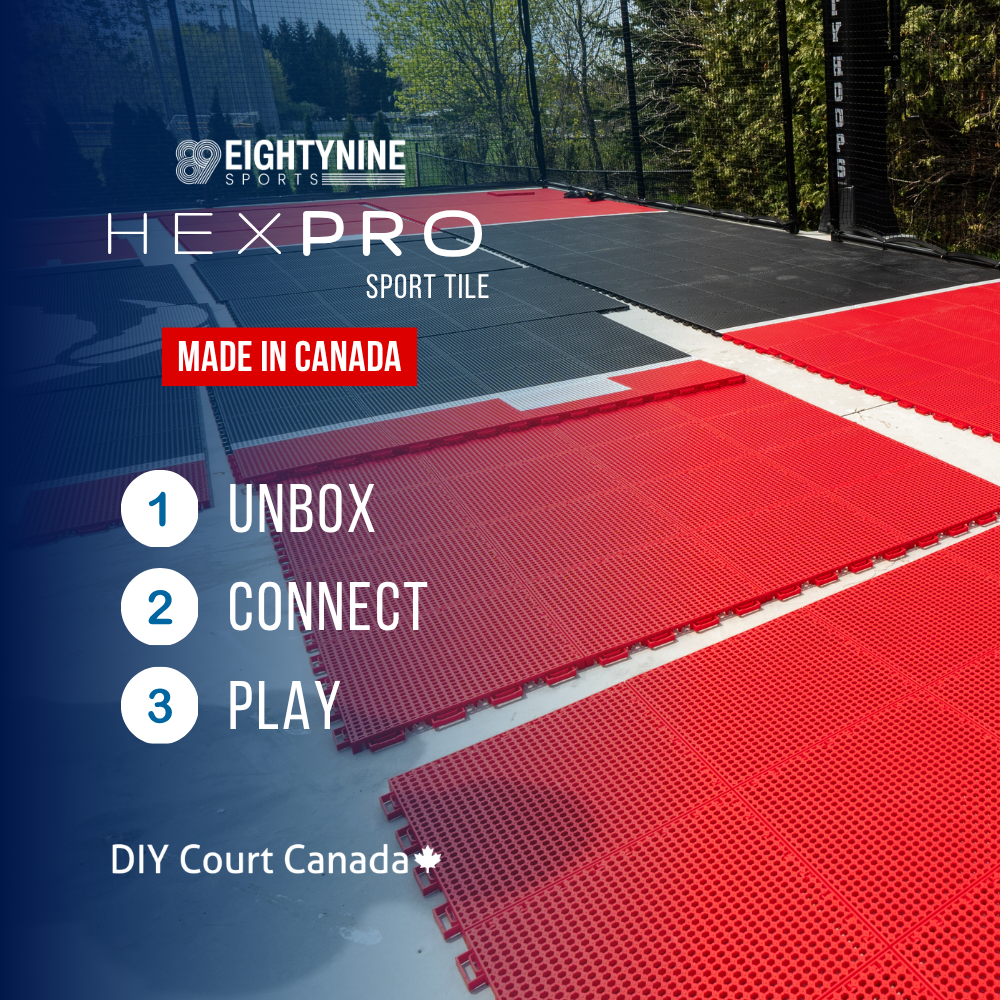
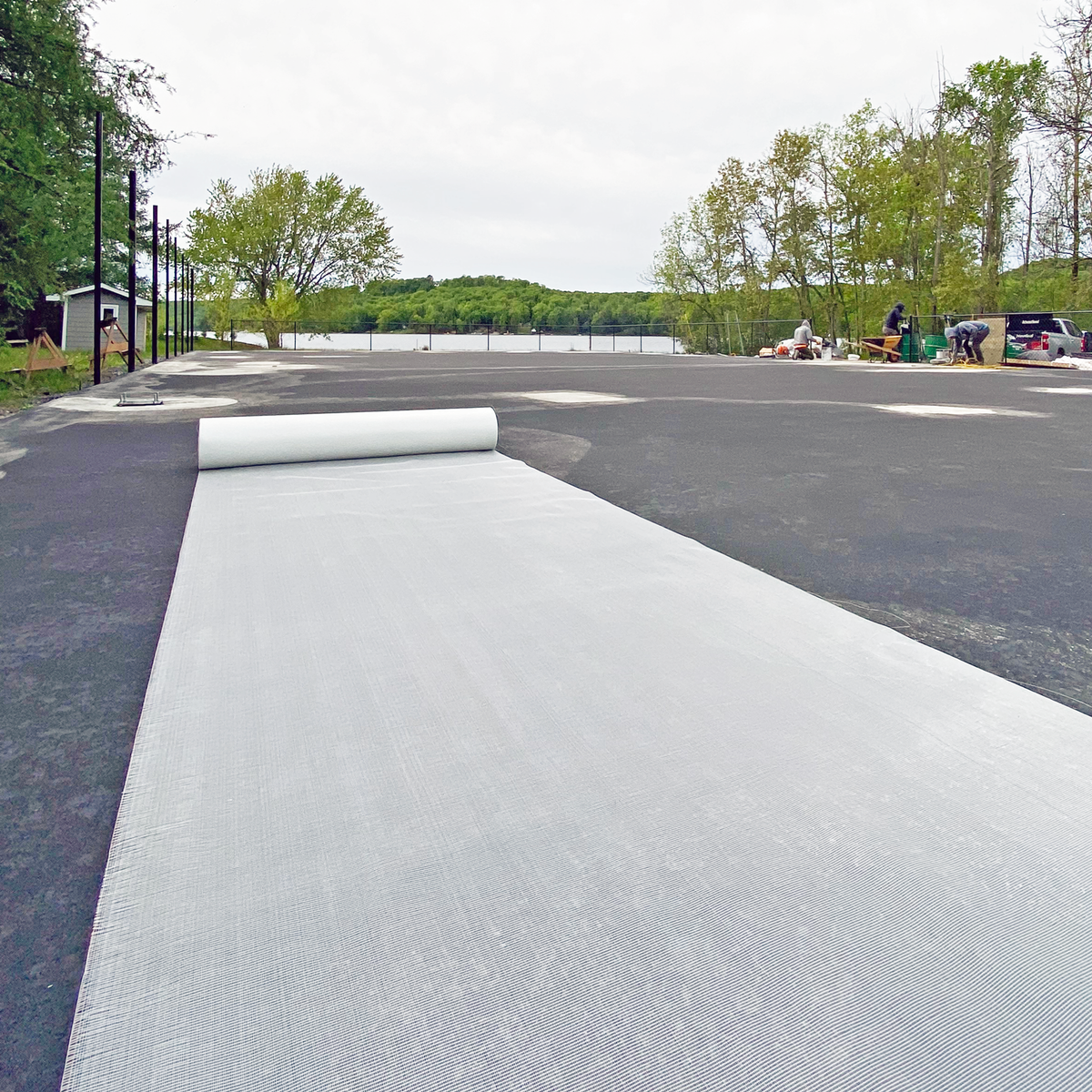
Sport tiles are modular, interlocking tiles designed for athletic surfaces. Instead of pouring or painting a surface in place, tiles snap together over a prepared base, typically concrete or asphalt, to create a finished playing surface.
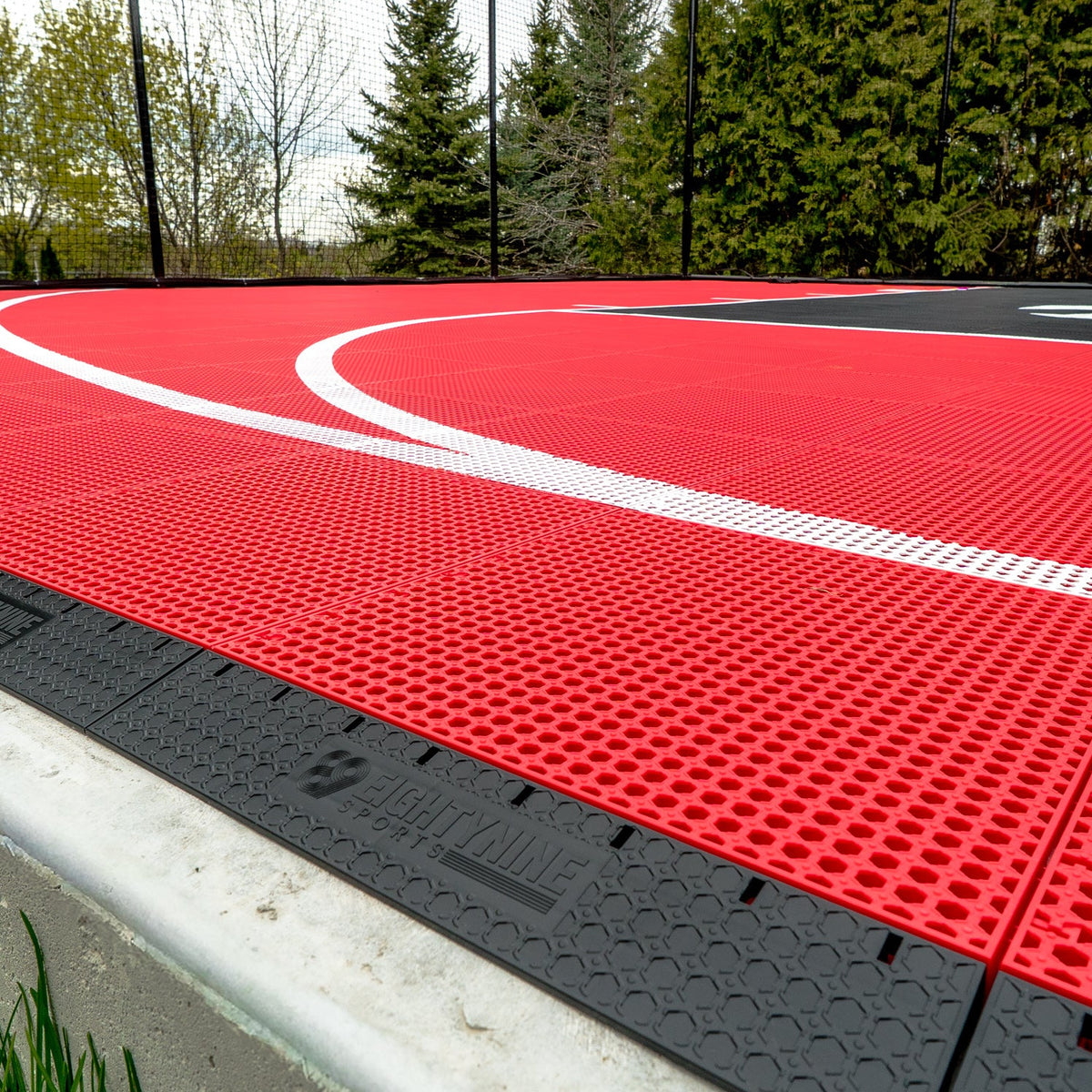
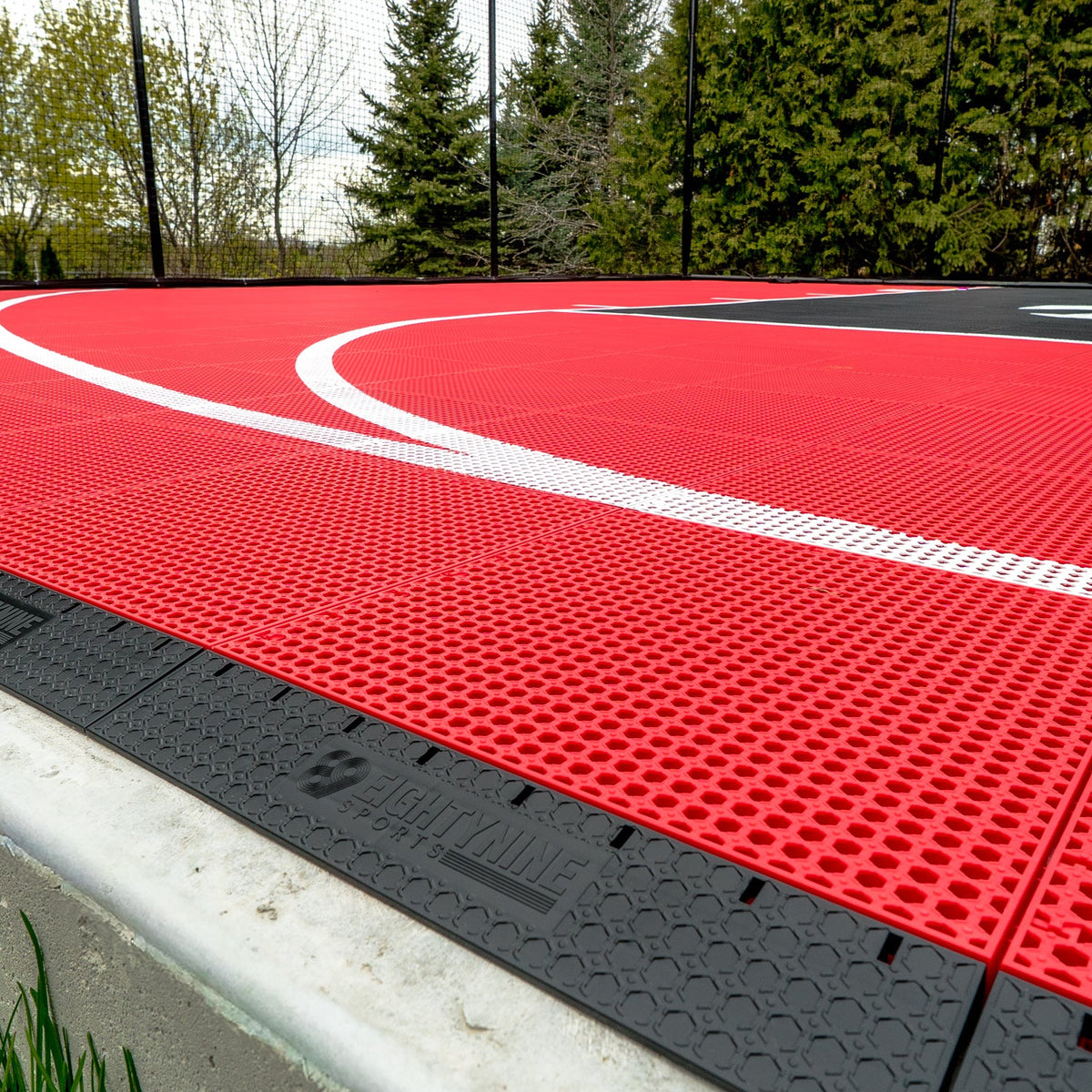
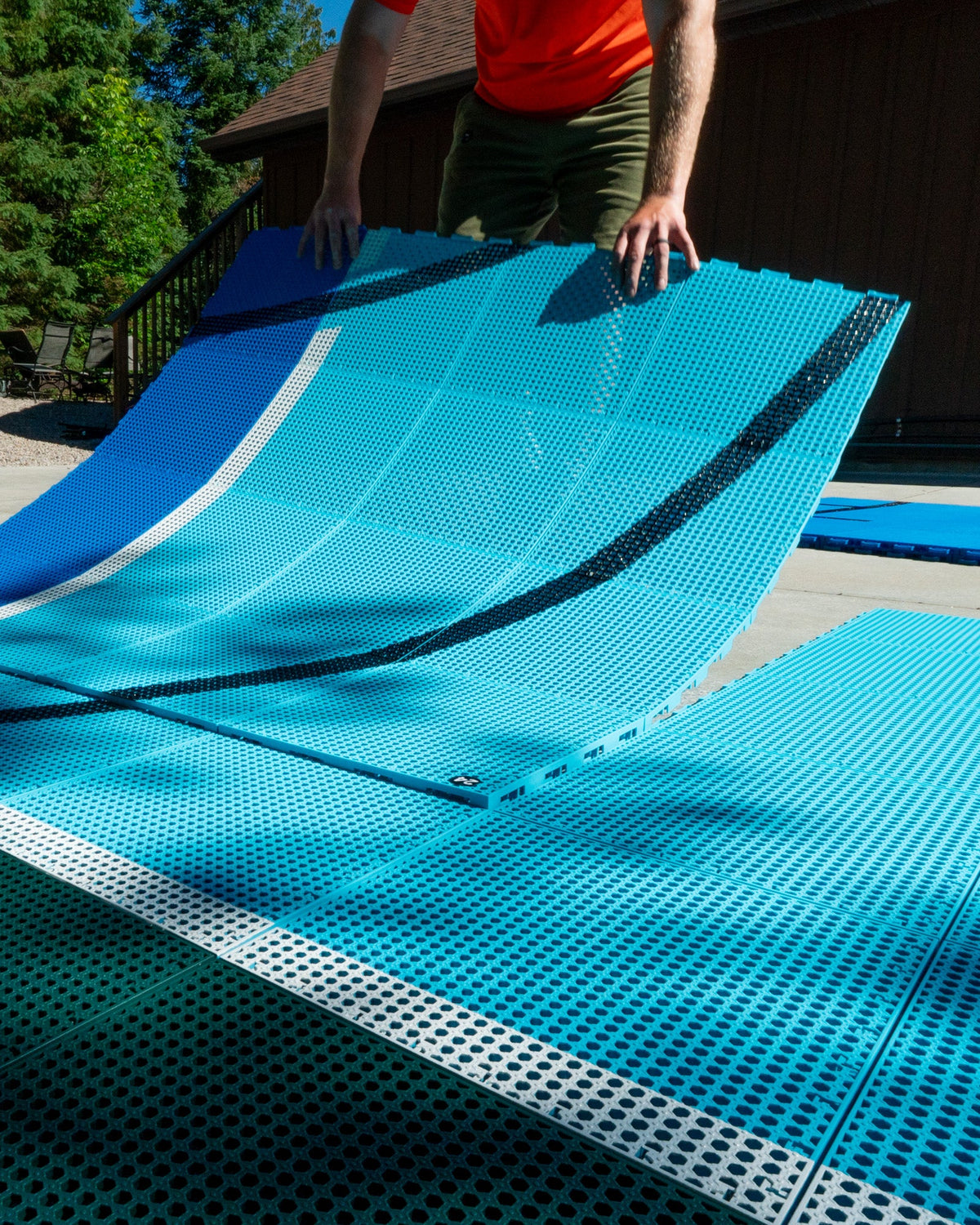
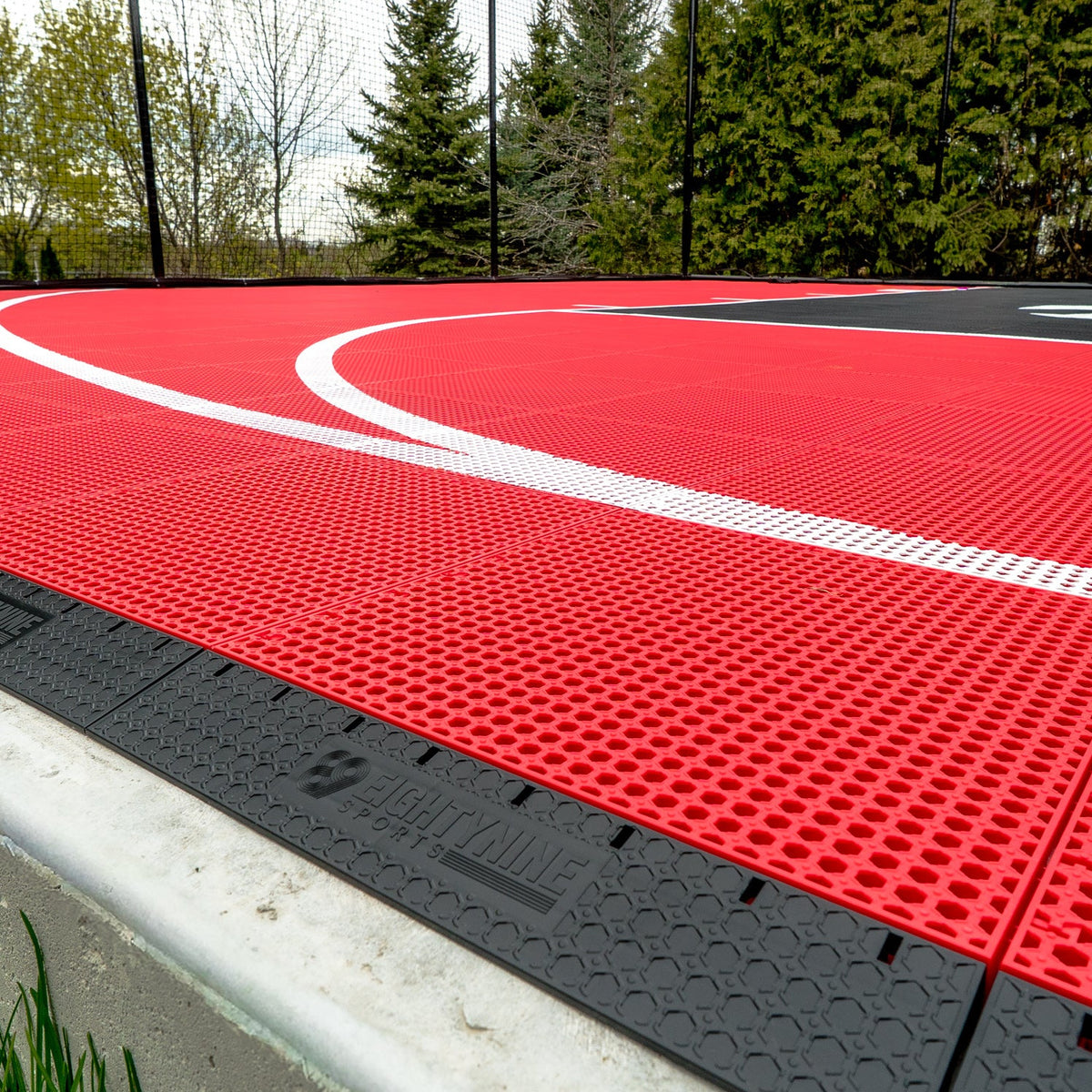
Most systems use durable, engineered plastic with color and texture molded directly into the tile rather than applied afterward. Many modern systems, including HEXPRO, arrive pre-assembled in larger interlocking sheets, which speeds up installation even further.

The Pros of Sport Tiles
-
Ready out of the box. No mixing, curing, or drying time required before play.
-
Low install time. A full court can often go in within a day, sometimes just a few hours, versus a multi-day acrylic install.
-
No specialized skill required. Interlocking tiles are far more approachable for a first-time DIYer than acrylic's layering and technique.
-
Built-in durability. Tiles flex independently of the base, so cracks or shifts in the slab are far less likely to telegraph through the surface.
-
Color that holds up. Molded-in color resists the fading and chalking that painted surfaces develop over time.
-
Easier repairs. Damaged tiles can be replaced individually, rather than recoating a large section like acrylic often requires.
-
Comfort and safety. Many systems offer natural give underfoot, easing impact for kids, older players, and anyone managing joint sensitivity.

What Do Sport Tiles Cost?
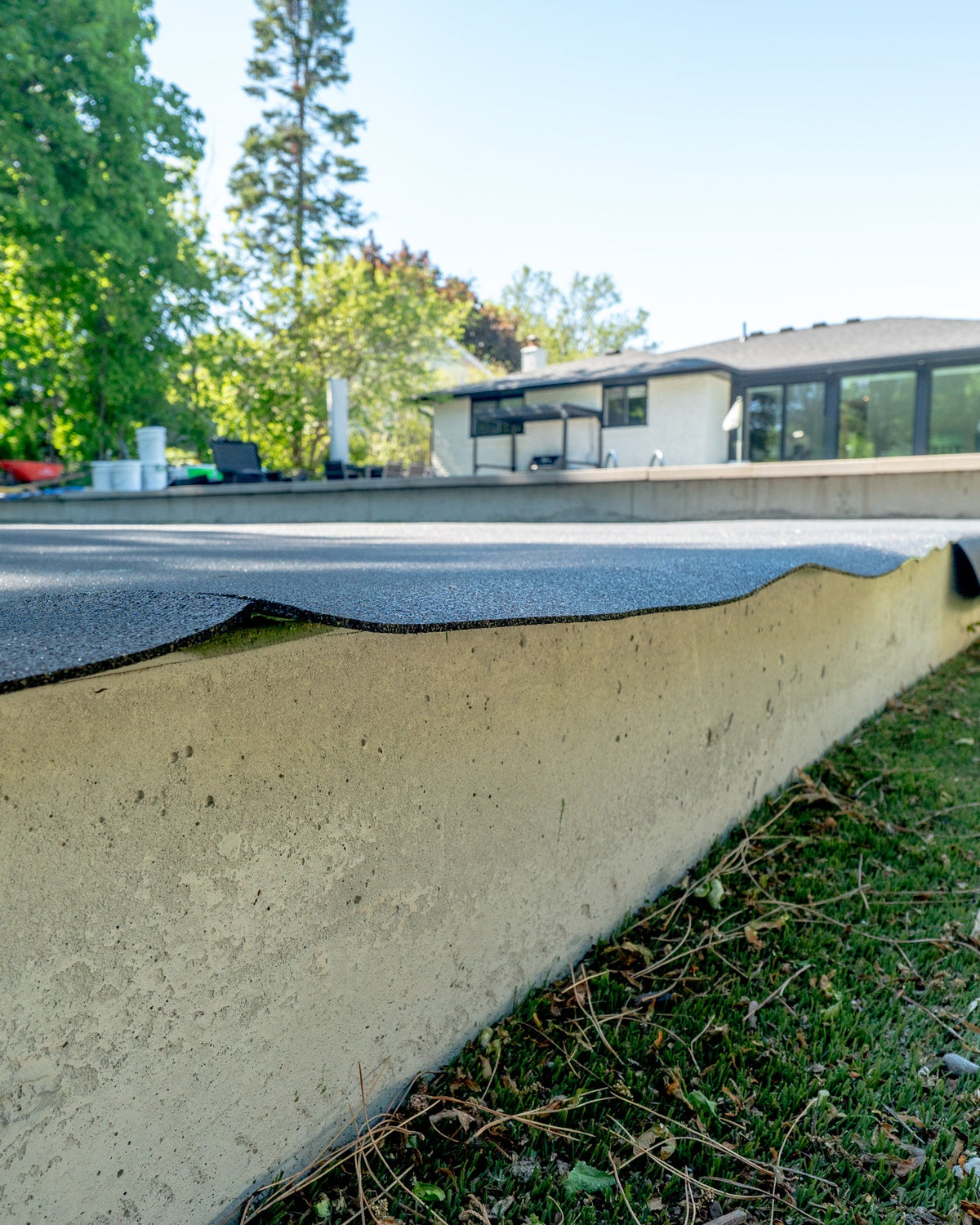
Painted acrylic surfacing for a regulation pickleball court typically runs several thousand to low five figures for materials alone, with tennis courts running higher. Cushioned acrylic adds further cost for the comfort layer.
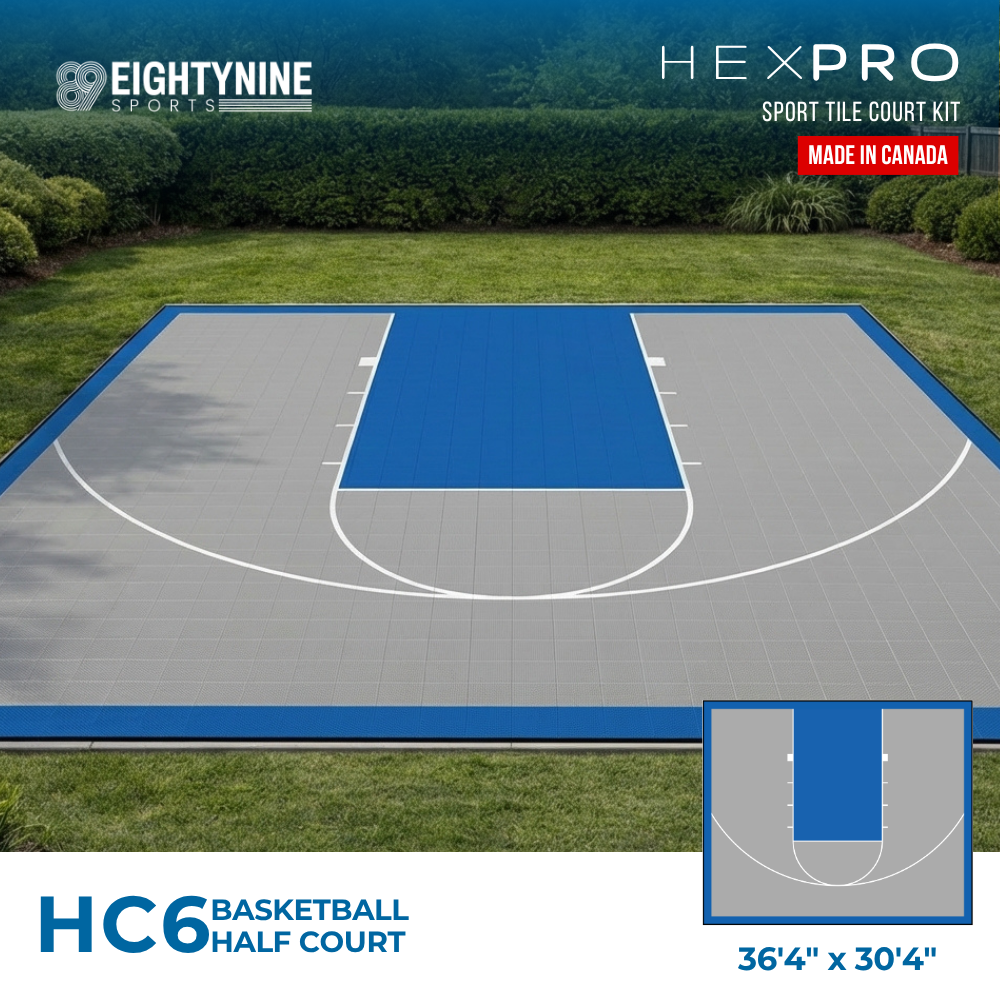
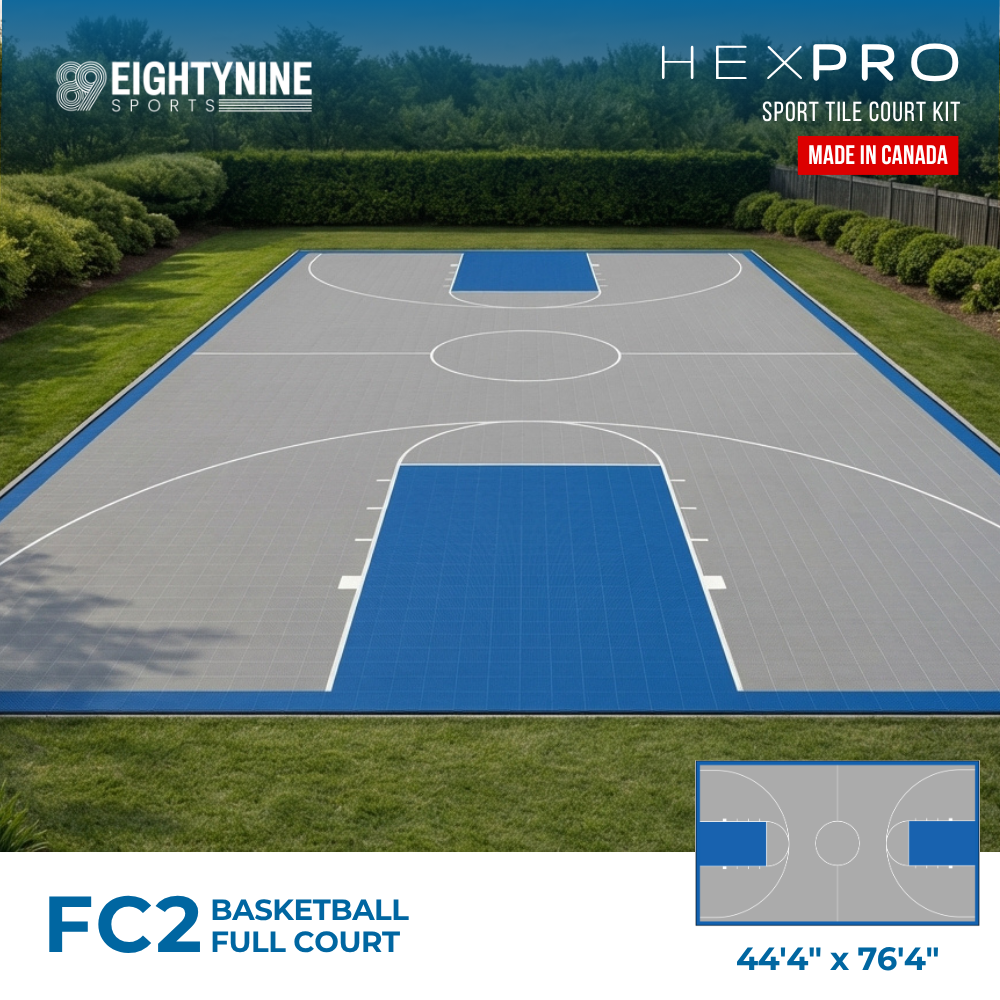
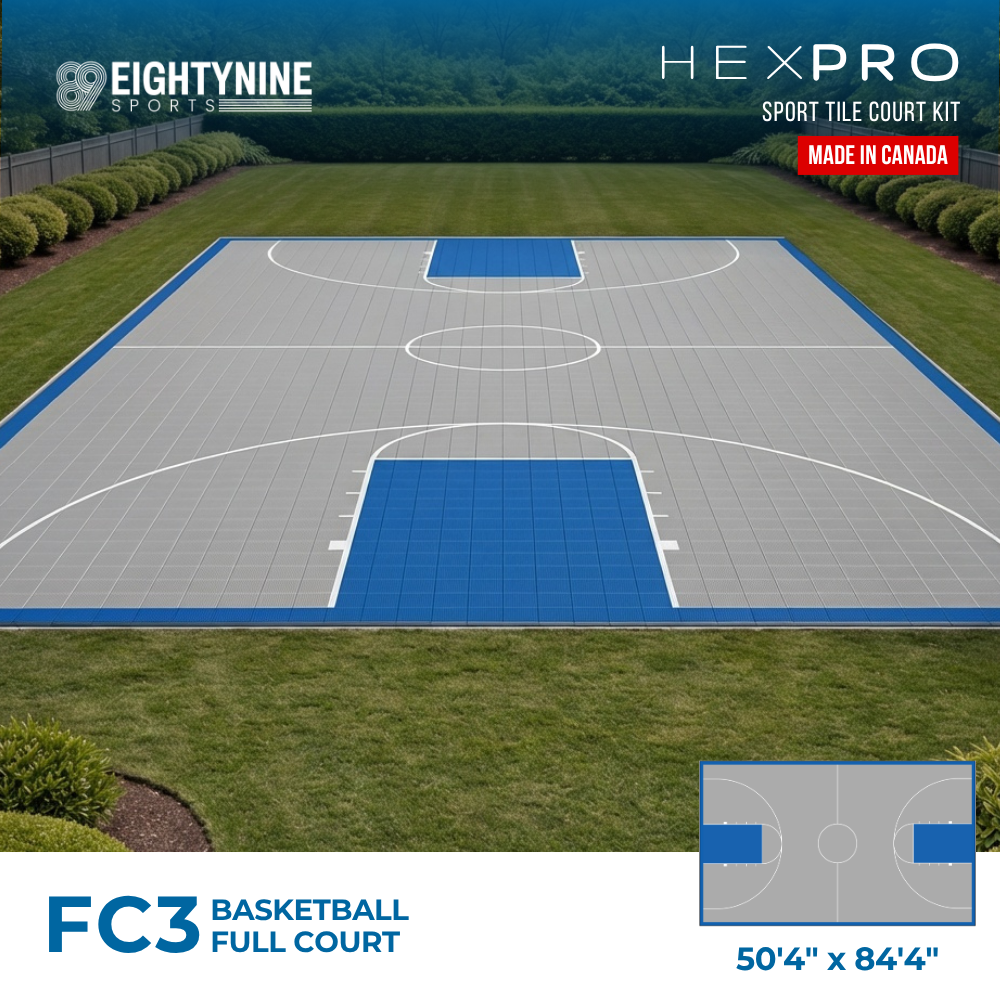
Tile systems, like HEXPRO, are frequently sold as complete kits with published, fixed pricing based on court size, rather than a project-based quote that shifts with site conditions and coating layers. That makes budgeting far more predictable for a first-time buyer.
It's also worth factoring in maintenance. Acrylic typically needs recoating every several years, while a well-built tile system is designed to hold up for years with minimal upkeep.
Sport Tiles vs. Acrylic Coating
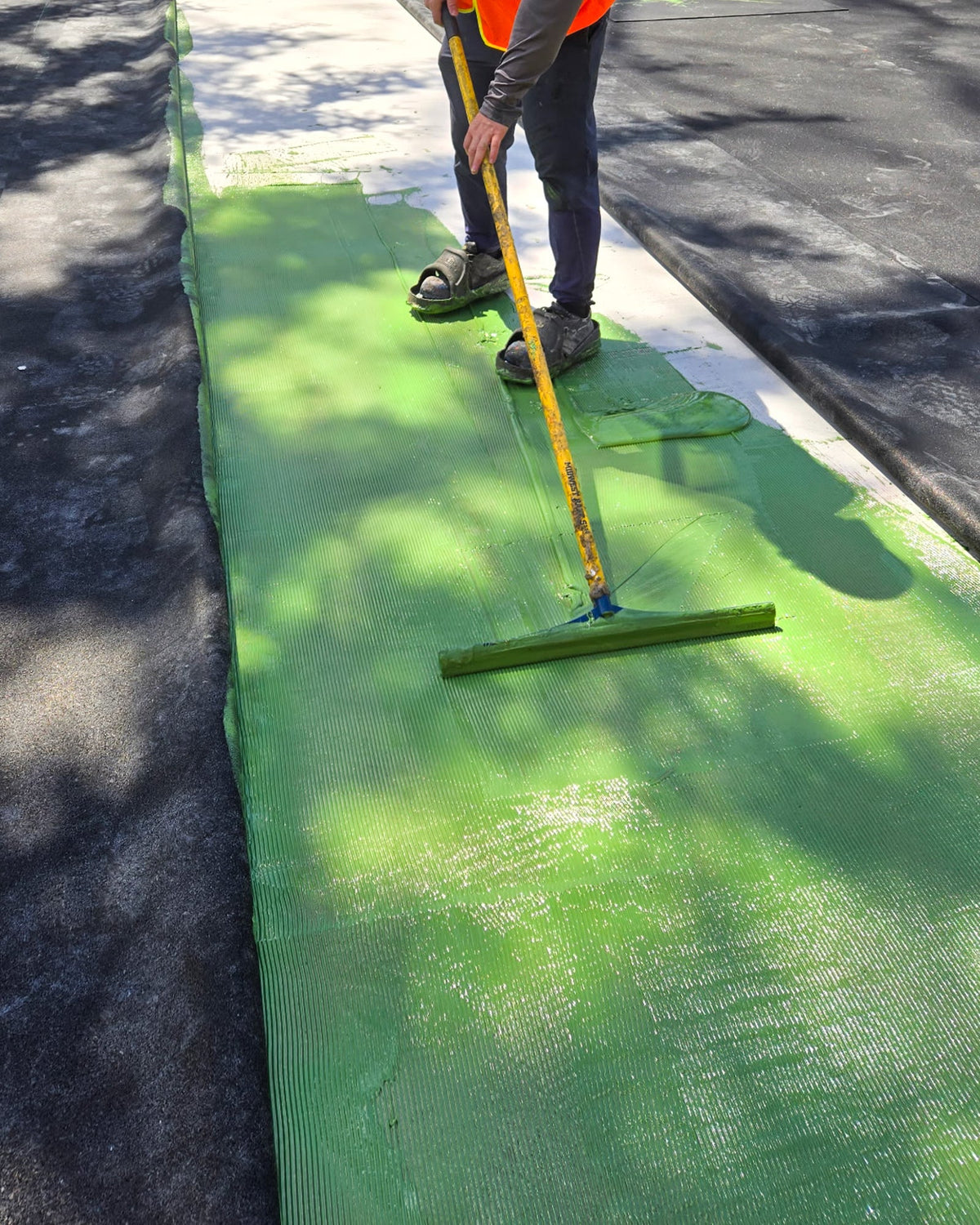
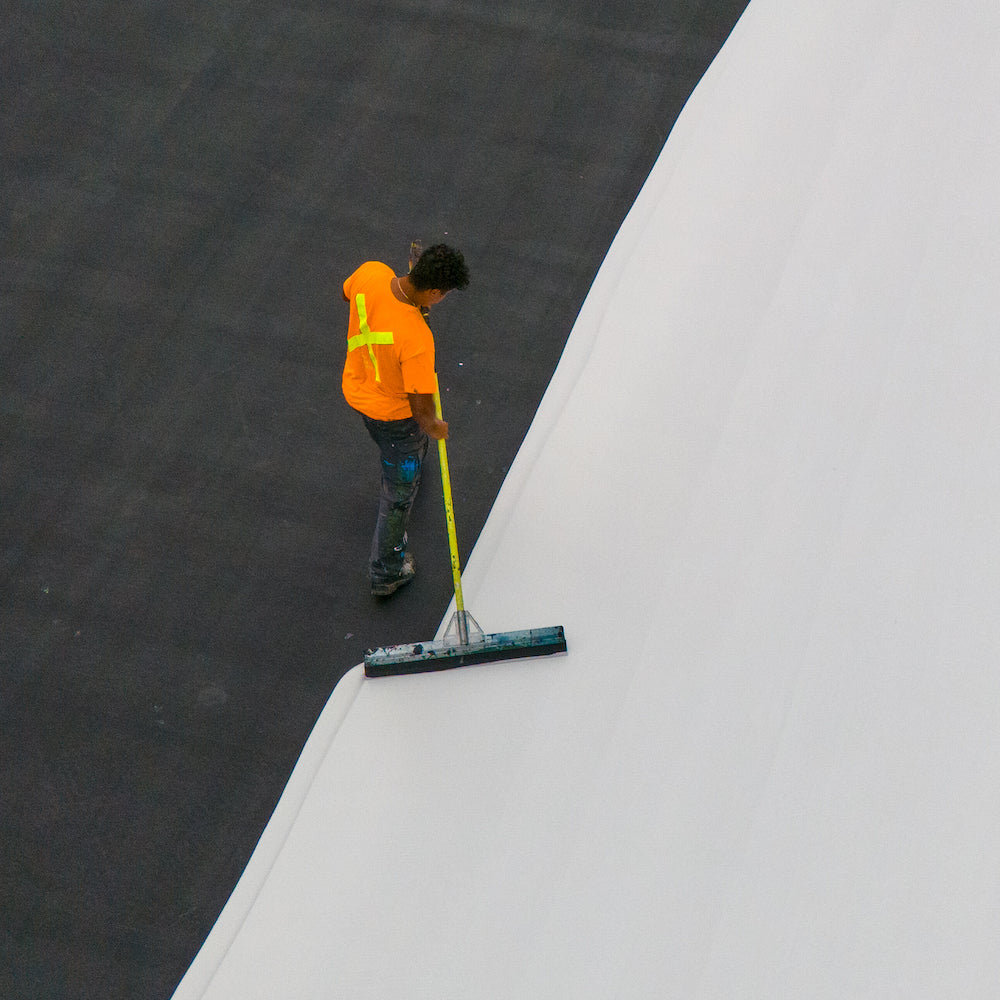
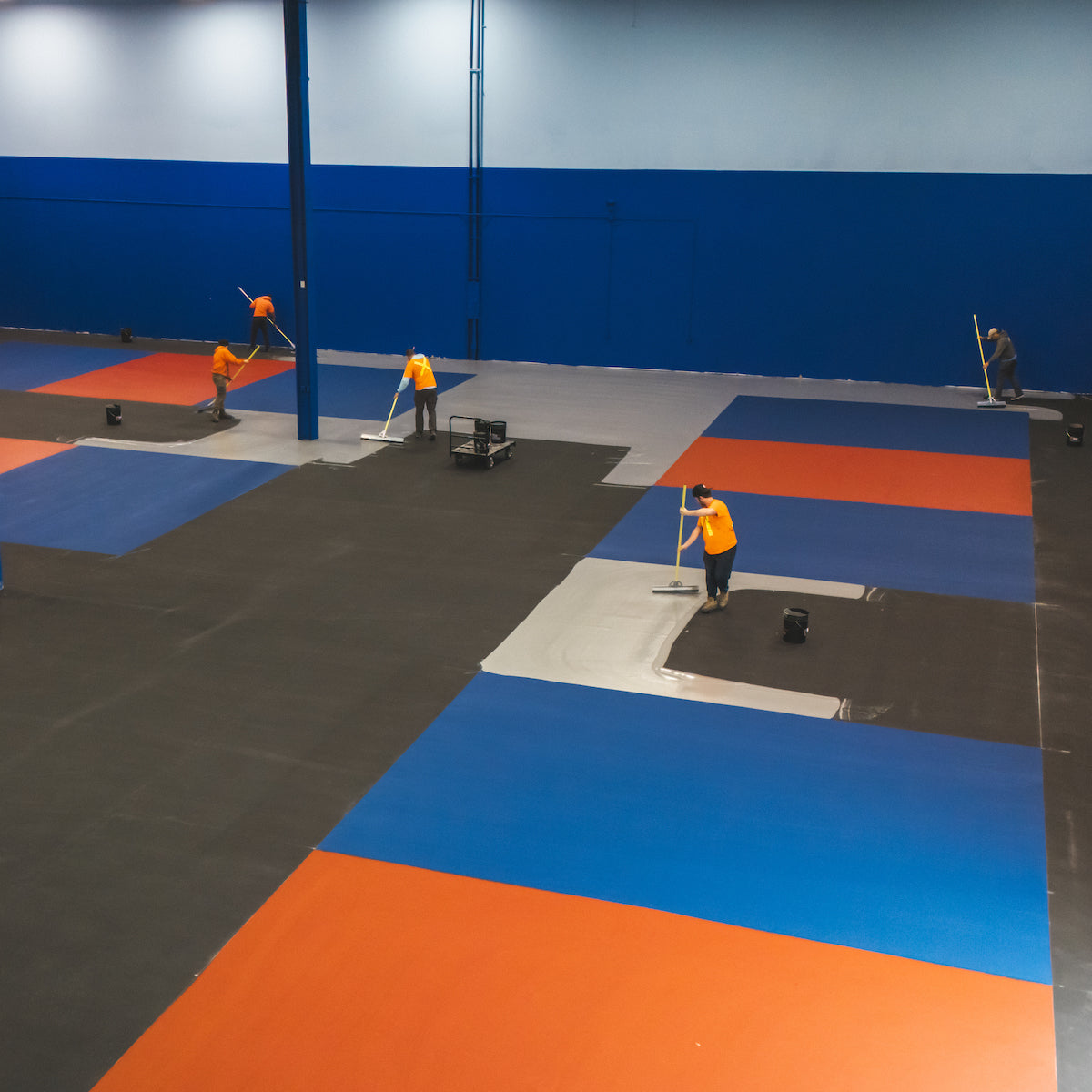
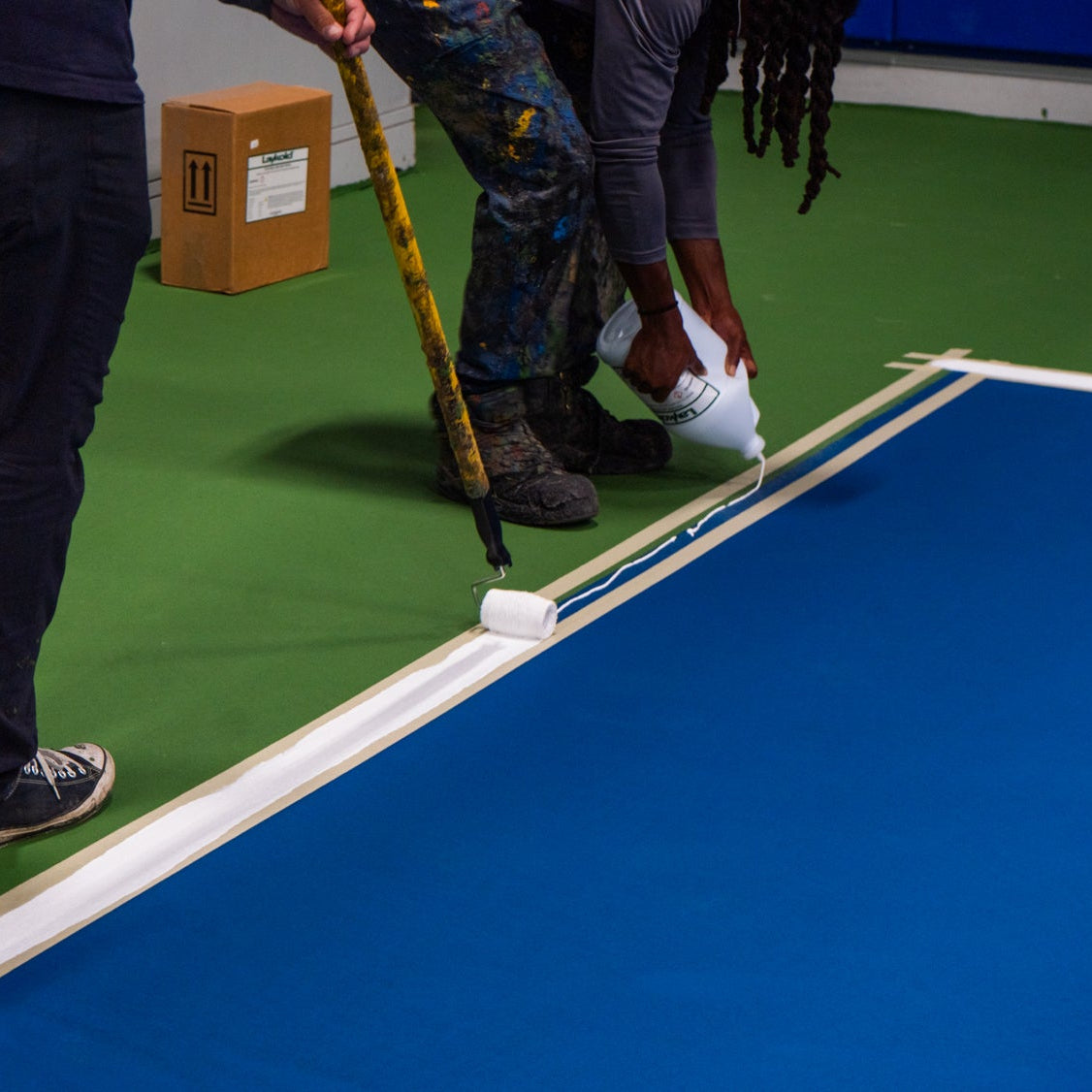
Installation. Tiles win clearly on speed and simplicity. Acrylic requires base prep, primer, multiple coats, and cure time, often spanning several days and dependent on weather.
Maintenance. Acrylic needs periodic recoating to maintain color and traction. Tile is largely maintenance-free, with individual tiles replaceable instead of a full recoat.
Feel of play. Acrylic still holds an edge here for some players. It's the surface most associated with professional tennis and pickleball, and some competitive players prefer its exact ball response. Tile has closed much of that gap, but the two still play slightly differently.
Cost structure. Acrylic is quoted per project. Tile is increasingly sold as a fixed-price kit, trading some customization for pricing transparency.
Longevity in changing conditions. In climates with freeze-thaw cycles or ground movement, tile's ability to flex independently of the base is a real durability advantage over a fully bonded coating.
Neither surface is universally better. Acrylic remains the traditional choice for a dedicated, competition-oriented court. Tile has become the go-to when speed, low maintenance, and design flexibility matter more than replicating a professional-tour surface exactly.
Who Should Choose Sport Tiles?
-
Families building a backyard court, who want something safe, colorful, and fast to install
-
First-time DIYers, since tile removes most of the technical risk of a wet-process acrylic install
-
Schools, parks, and facilities, where low maintenance and easy spot-repairs reduce long-term cost and court downtime
-
Brand activations and events, where fast turnaround and design flexibility matter more than a multi-day cure time can accommodate
Final Thoughts
Sport tiles have earned their place as a serious alternative to acrylic, not by replacing what acrylic does well, but by solving for speed, simplicity, and long-term durability in a way painted surfaces can't quite match.
Companies like DIY Court USA supply both options, including HEXPRO Sport Tiles by EIGHTYNINE Sports, for homeowners, contractors, schools, and facilities weighing which surface fits their project best.

Frequently Asked Questions
Are sport tiles better than acrylic coatings? Neither is universally better. Tile offers faster installation, lower maintenance, and easier repairs, while acrylic remains the traditional choice for a competition-authentic playing surface.
How long do sport tiles typically last? Well-built tile systems are designed to hold their color and structural integrity for many years, generally longer than a painted acrylic surface before it needs recoating.
Can sport tiles be installed over an existing surface? Yes. Most systems install directly over a properly prepared existing concrete or asphalt surface, including older or lightly cracked pavement.
Are sport tiles safe for kids and older players? Many systems offer natural cushioning underfoot, reducing impact compared to a hard, unforgiving acrylic-on-concrete surface.
Do sport tiles get hot in direct sunlight? Like most outdoor surfaces, tile can heat up in direct sun, though this varies by product and color. Worth checking manufacturer specs if extreme heat is a regular concern in your climate.




Share:
How to Apply Acrylic Resurfacer
How to Paint Acrylic Color Coats