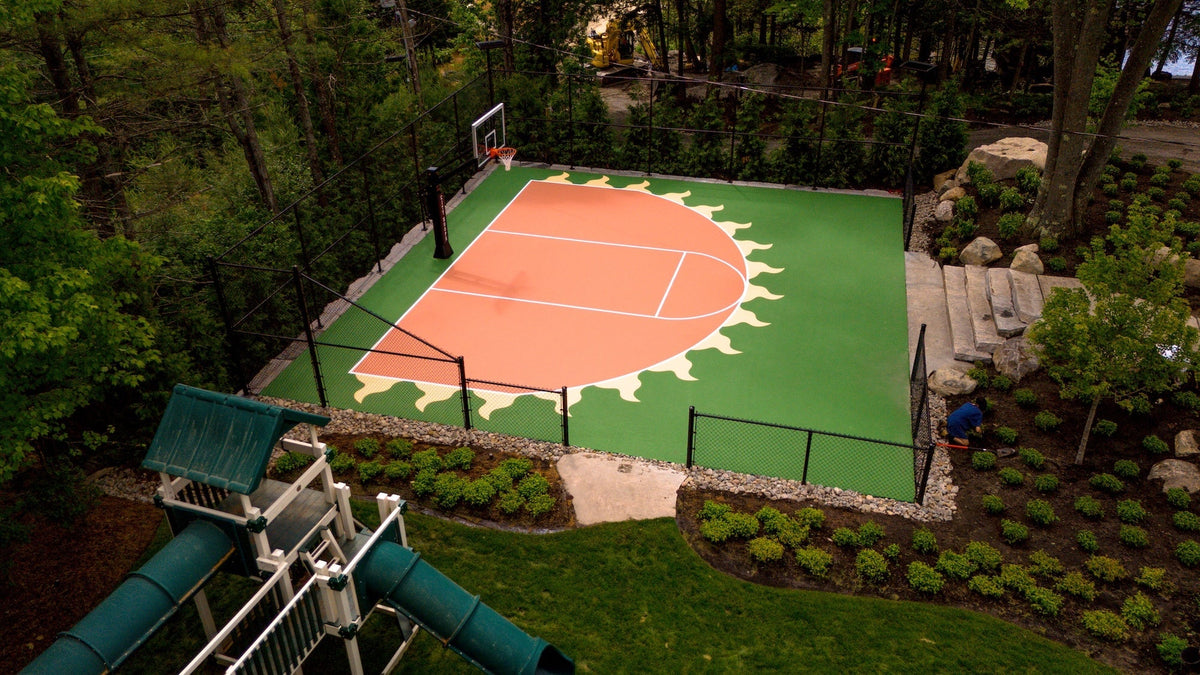
Building a basketball court in your backyard is a big investment, and a little planning upfront goes a long way toward getting a court you'll actually love for years. Before you start buying materials, here are 10 things worth thinking through first.
1. Court Size: Full Court, Half Court, or Something In Between
How your family plays determines how much court you actually need. A half court is plenty for most backyard shooting, scrimmaging, and casual games, while a full court makes sense if you're planning serious full-game play or have the space to spare.
Think through:
-
How often will the court get used, and by how many players at once?
-
Do you want room for a 3-point line, or just a casual shooting space?
-
Could the space double for other sports down the line?
HEXPRO Sport Tile kits come in a range of pre-sized half court and full court layouts, so it's worth matching your available space to a size that fits before committing to a design.

2. Available Space and Hoop Placement
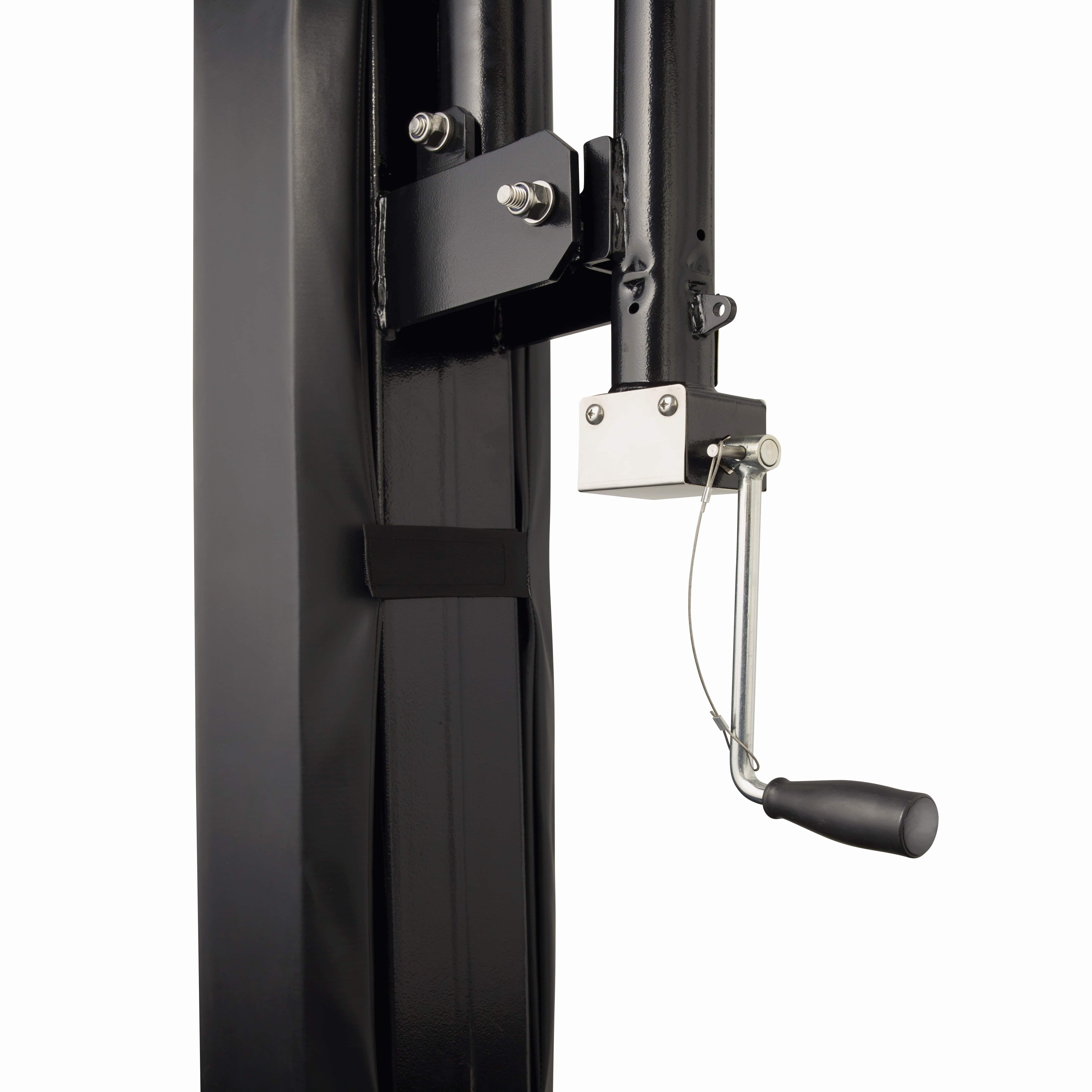
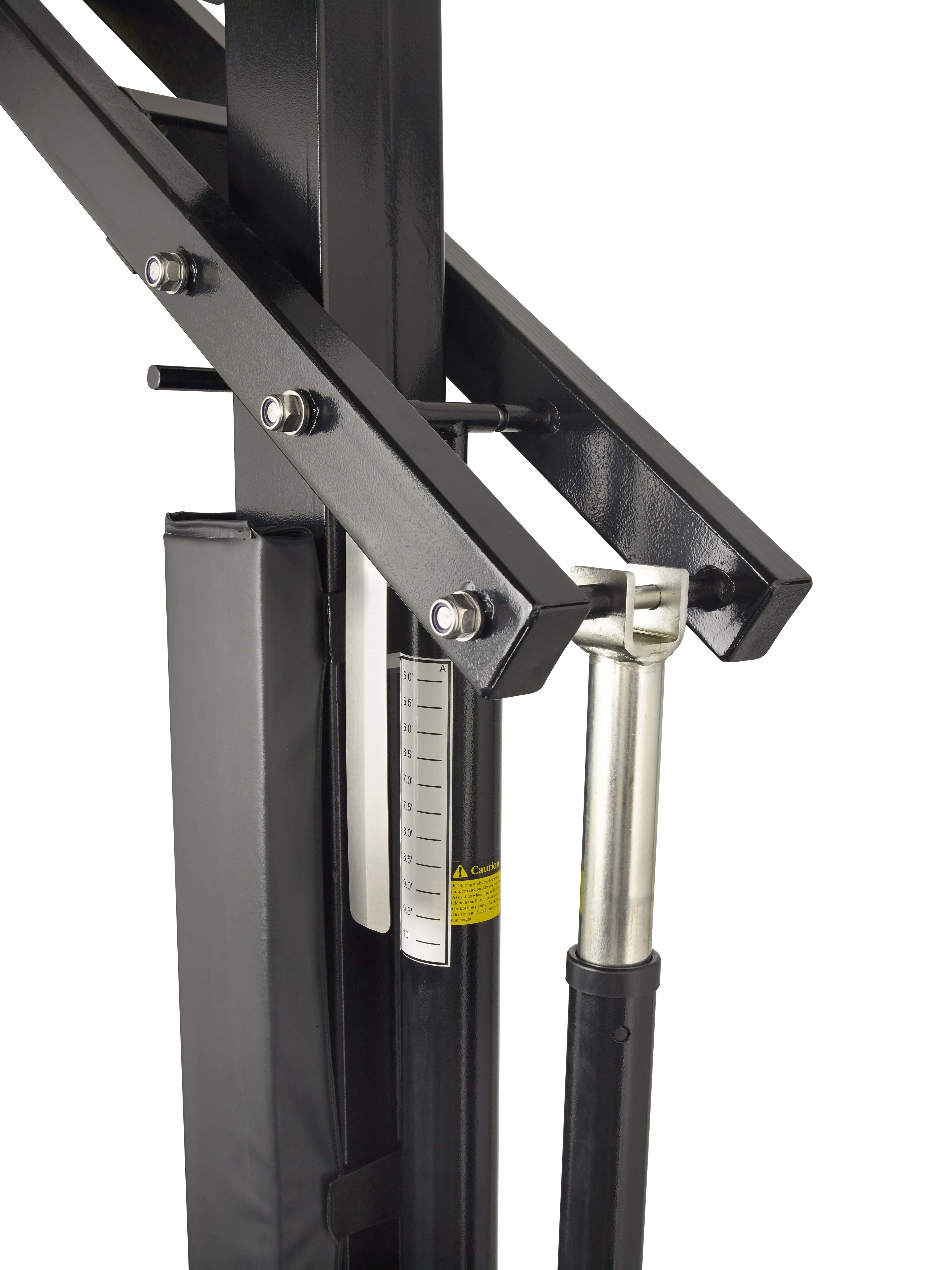
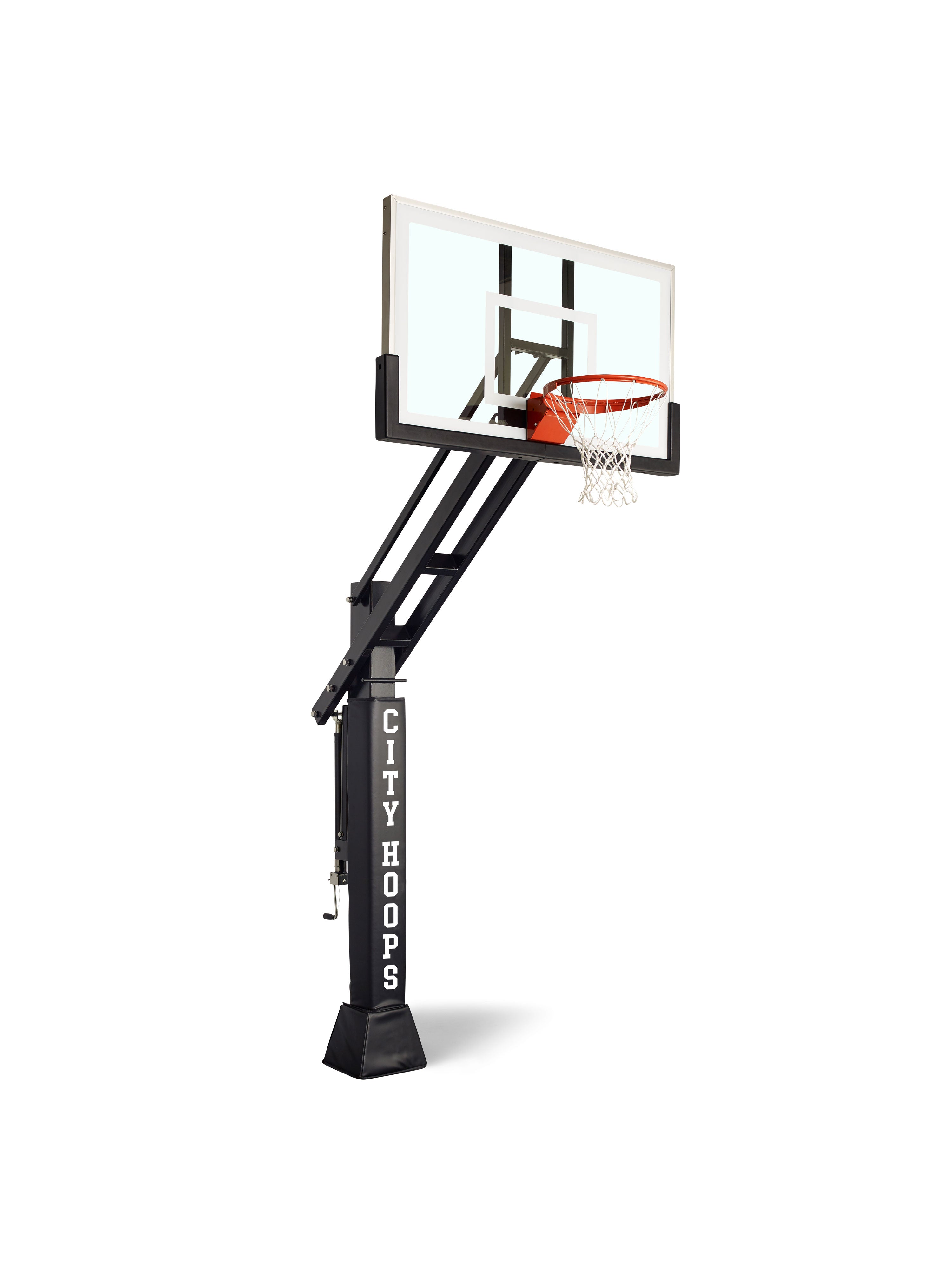
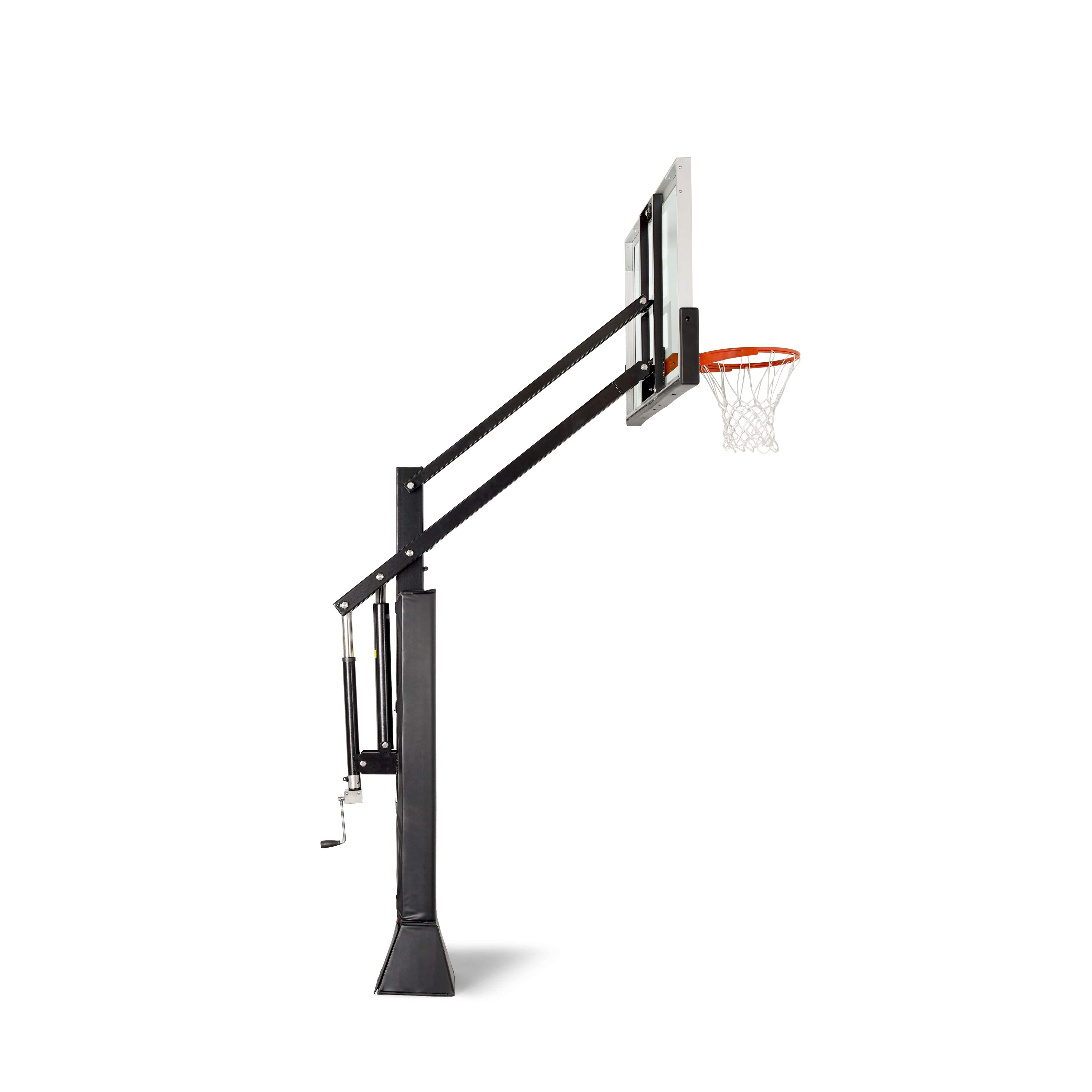
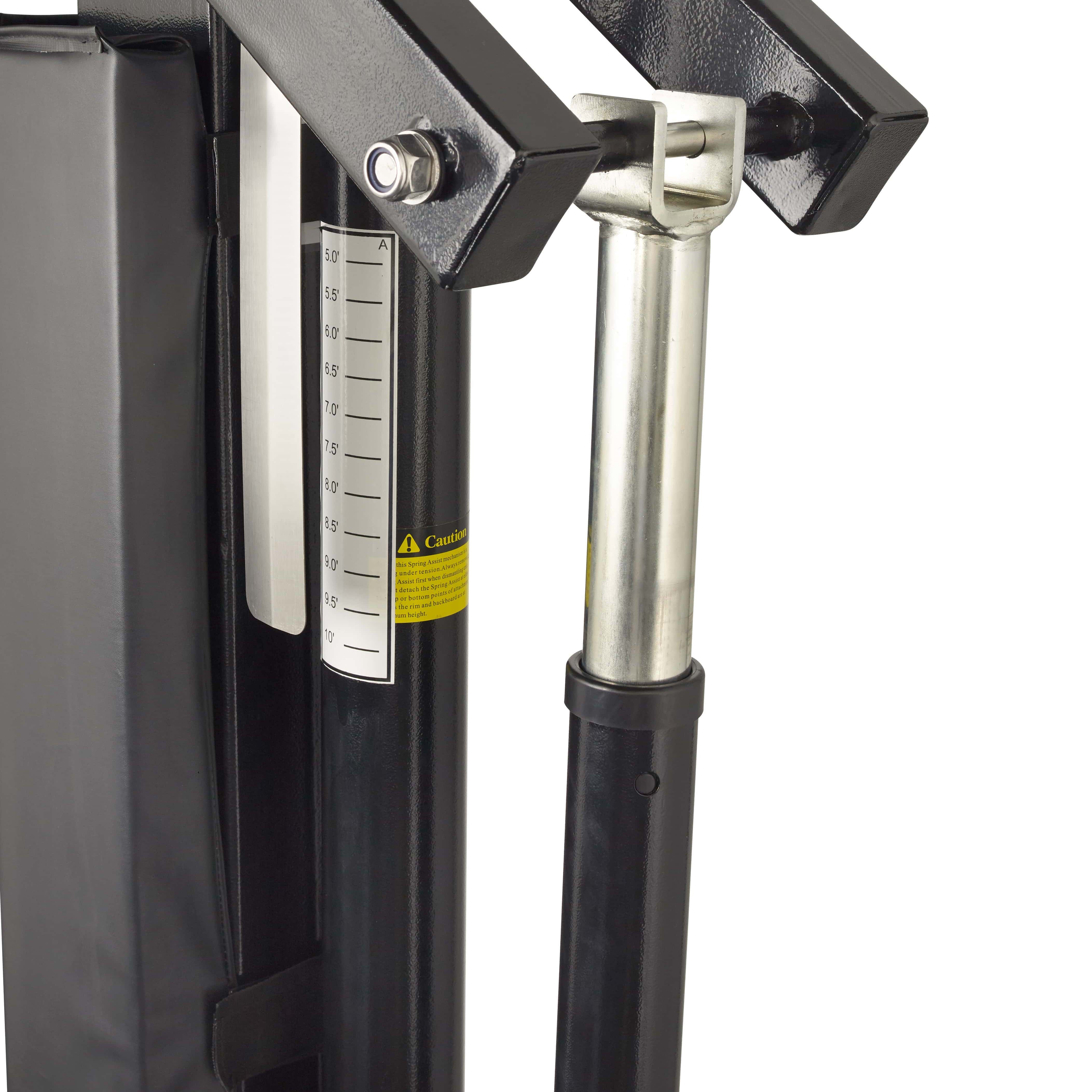
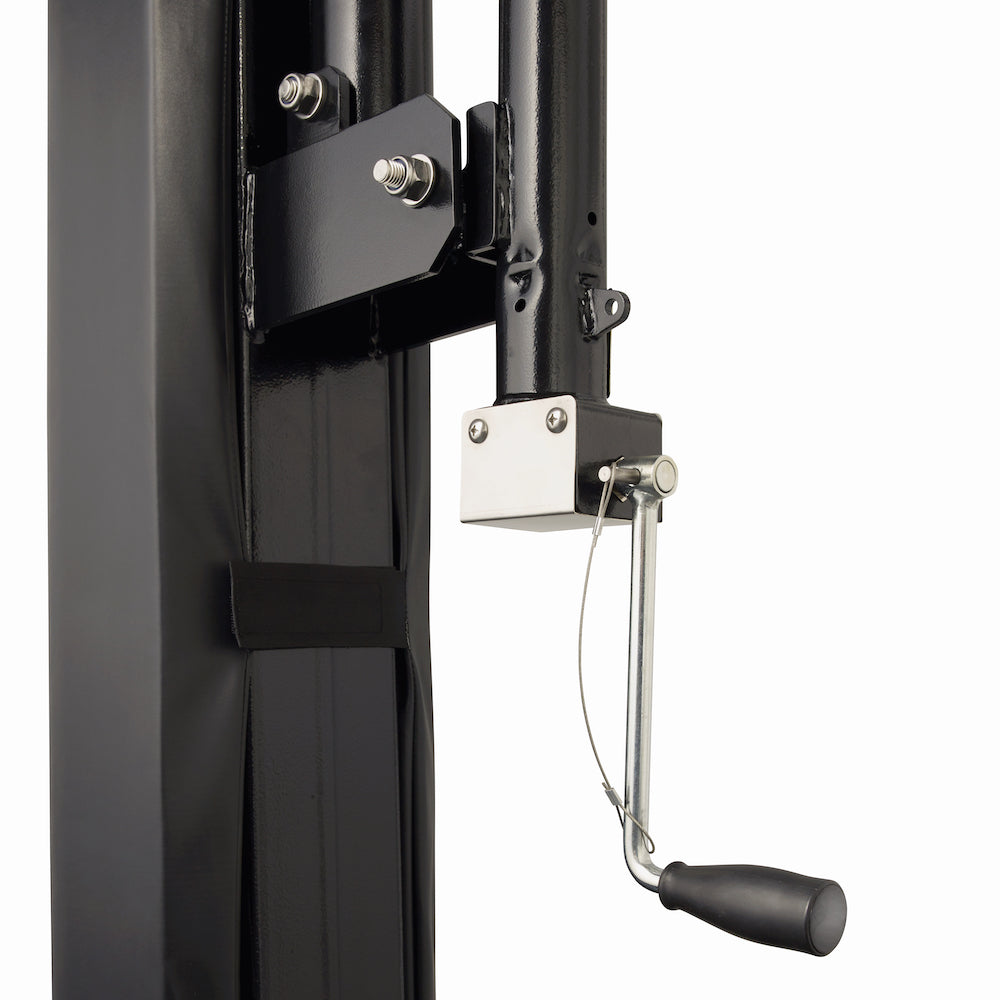
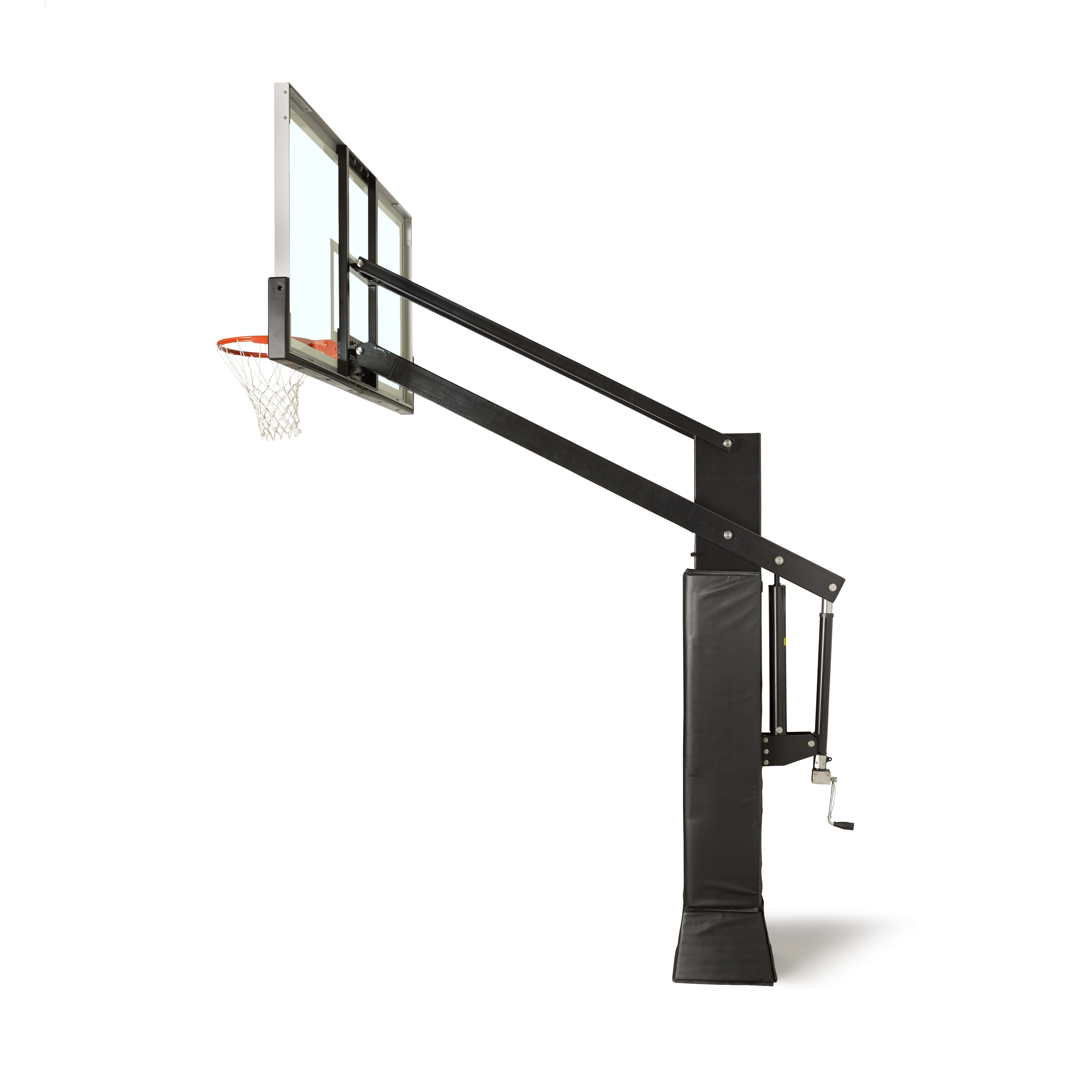
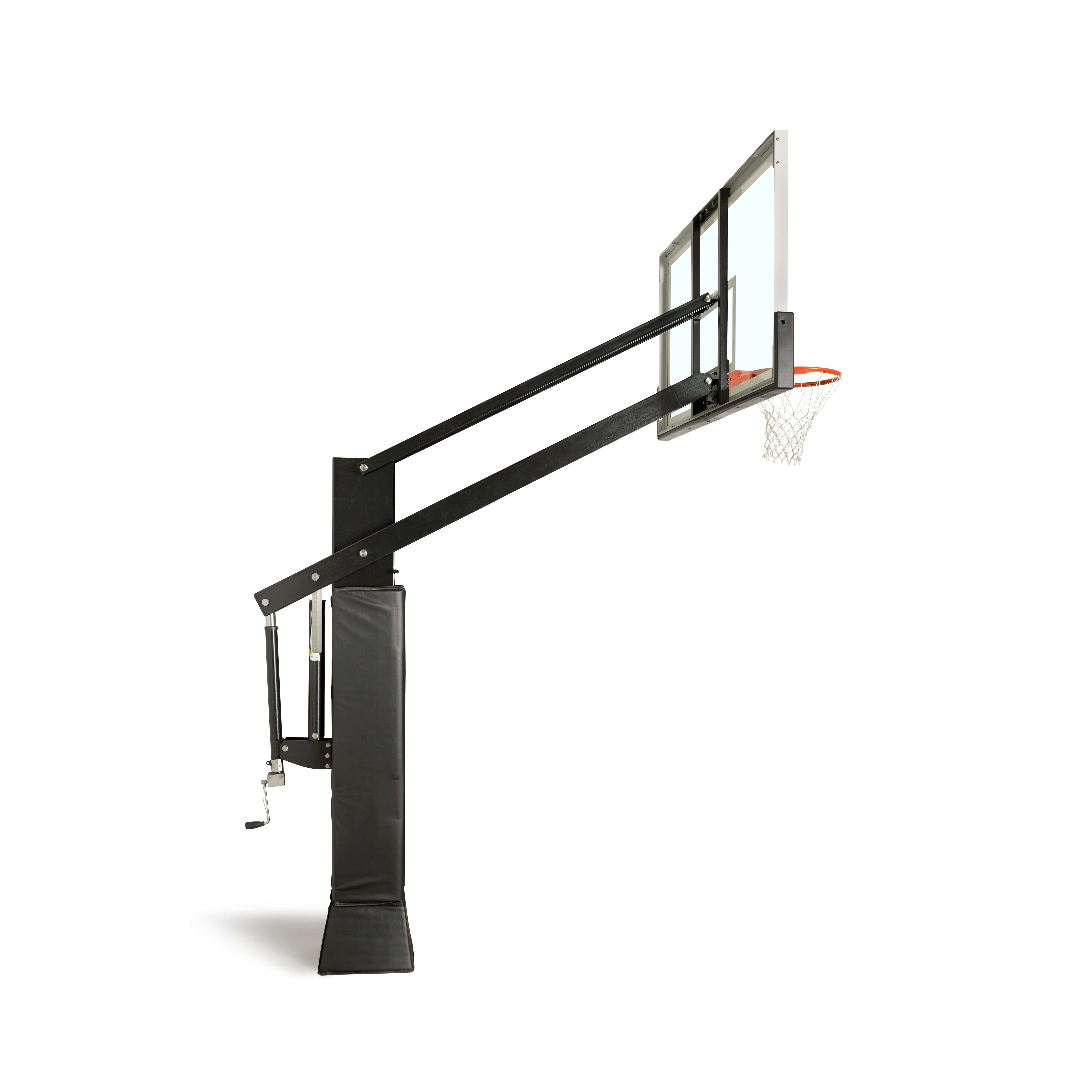
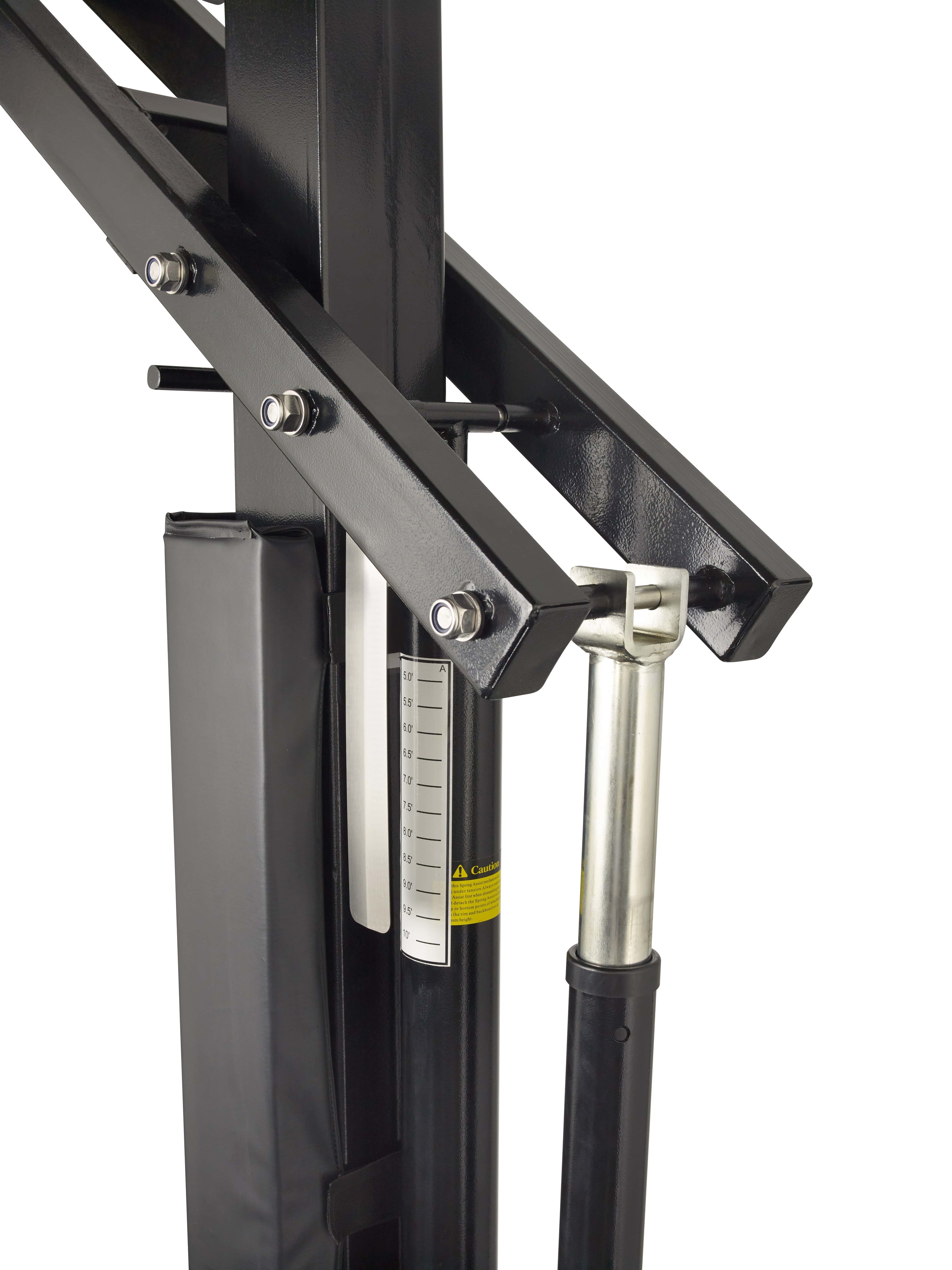
Beyond just square footage, hoop placement has its own requirements worth planning for. Pre-sized court kits are typically designed around an in-ground hoop with a 4-foot overhang, with the hoop's post positioned right at the court's baseline. Height-adjustable hoop systems also need clearance, generally at least 16 inches behind the anchor, so the height-adjustment mechanism can operate properly.
Beyond the hoop itself, think about:
-
Setback requirements from your property line, which vary by town
-
Keeping enough distance from large trees so roots don't become an issue later
-
Choosing the flattest available area to minimize site prep
3. Permits and Local Regulations
Many towns require a permit before you build a court, and the approval process often takes longer than expected. Starting early, and checking your property's site or plot plan, can save real time before you're ready to build.
4. Choosing Your Base: Asphalt, Concrete, or Existing Pavement
Your base is the foundation everything else gets built on. Concrete tends to be the most durable long-term option, while asphalt offers a lower upfront cost but can require more maintenance over time, particularly in climates with heavy freeze-thaw cycles.
If you already have a usable slab or existing pavement, it's often possible to build directly on top of it rather than starting from scratch, which can meaningfully reduce both cost and prep time.
5. Choosing Your Playing Surface: Acrylic Coating vs. HEXPRO Sport Tile
Once your base is ready, you'll choose how to finish it. Acrylic coatings are the traditional choice, applied in layers for a professional-quality finish, while HEXPRO Sport Tile is a modular interlocking system that installs in a fraction of the time with no wet-process skill required.
Neither is universally better. It comes down to how much time, budget, and DIY experience you're working with.
6. Choosing the Right Basketball Hoop: In-Ground vs. Portable
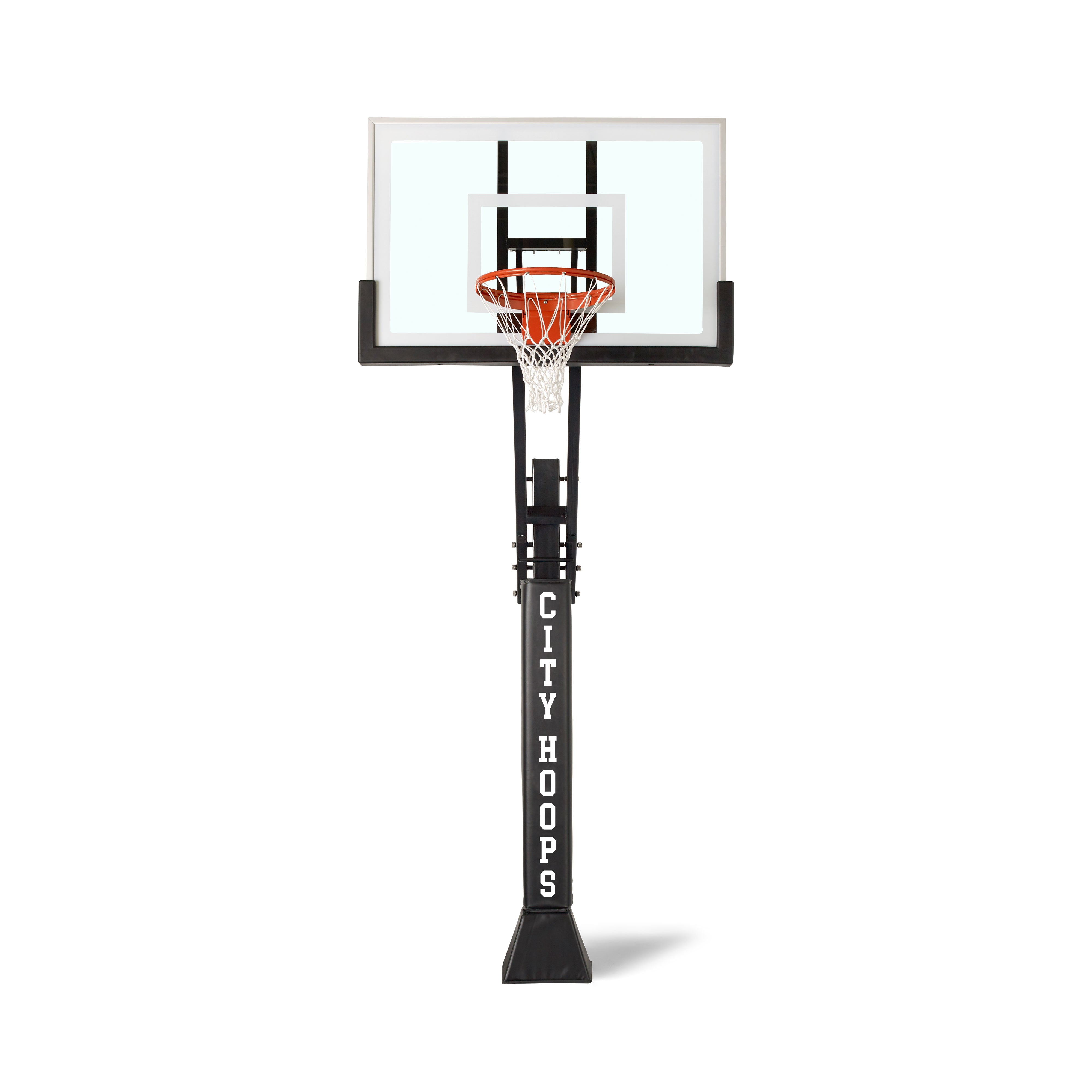
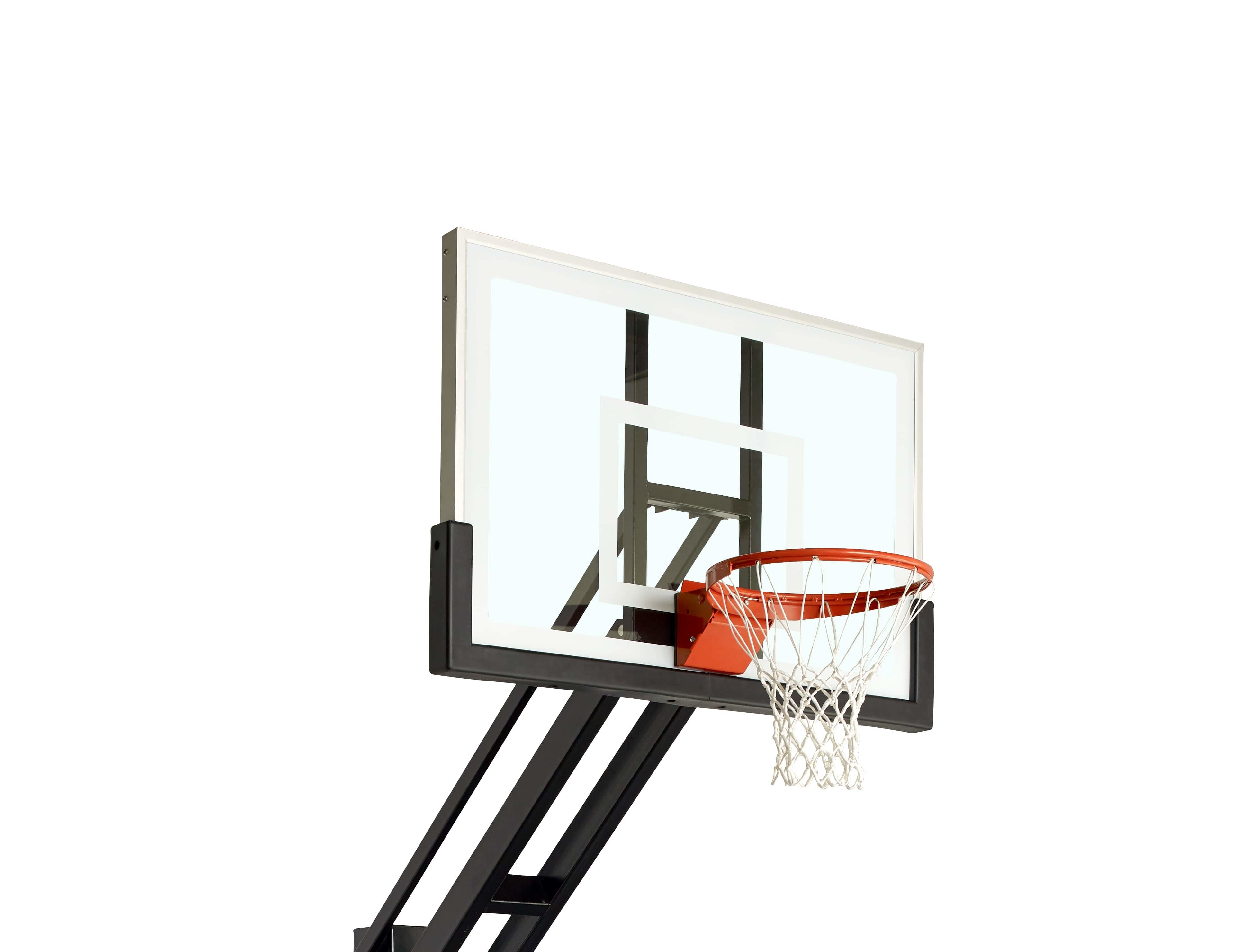
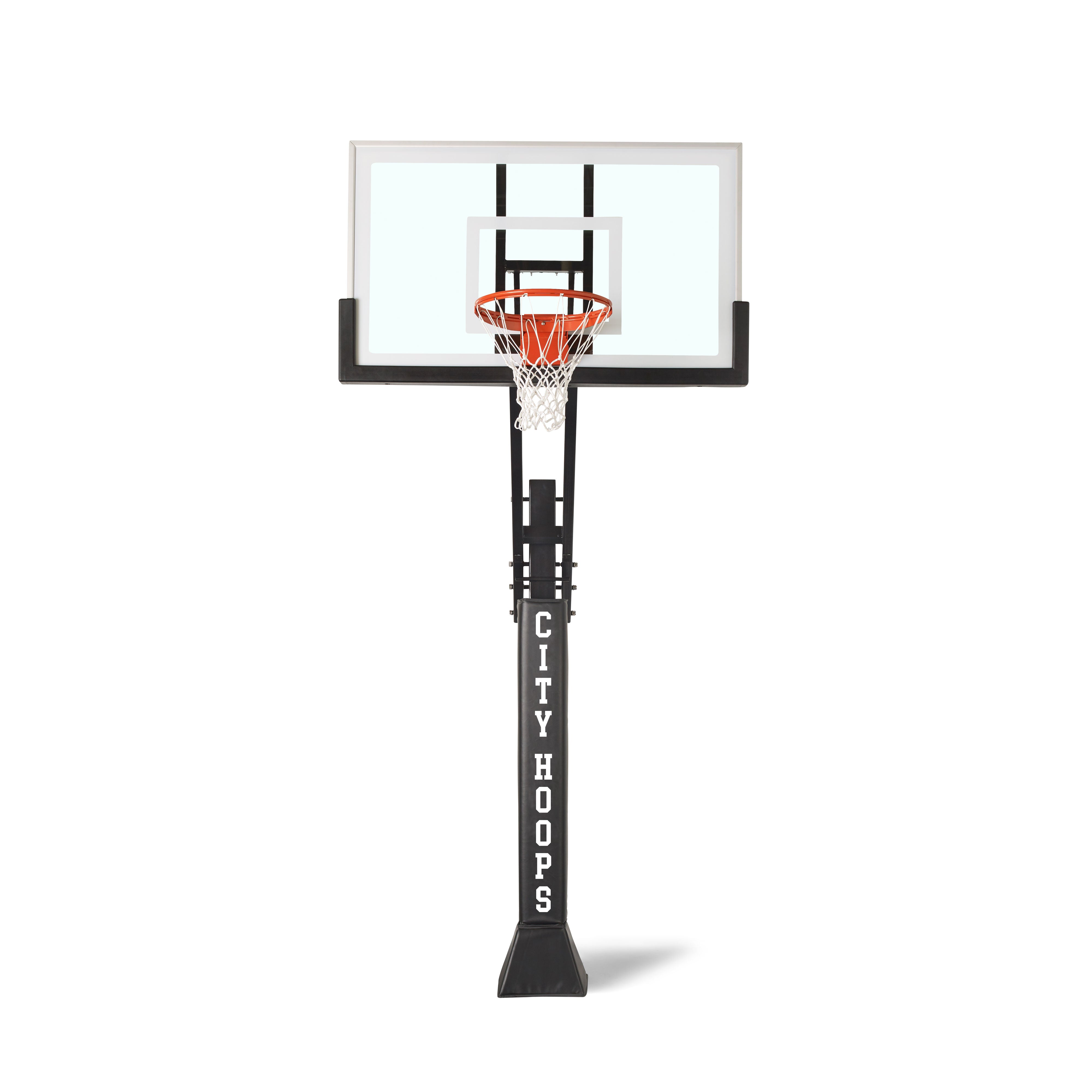
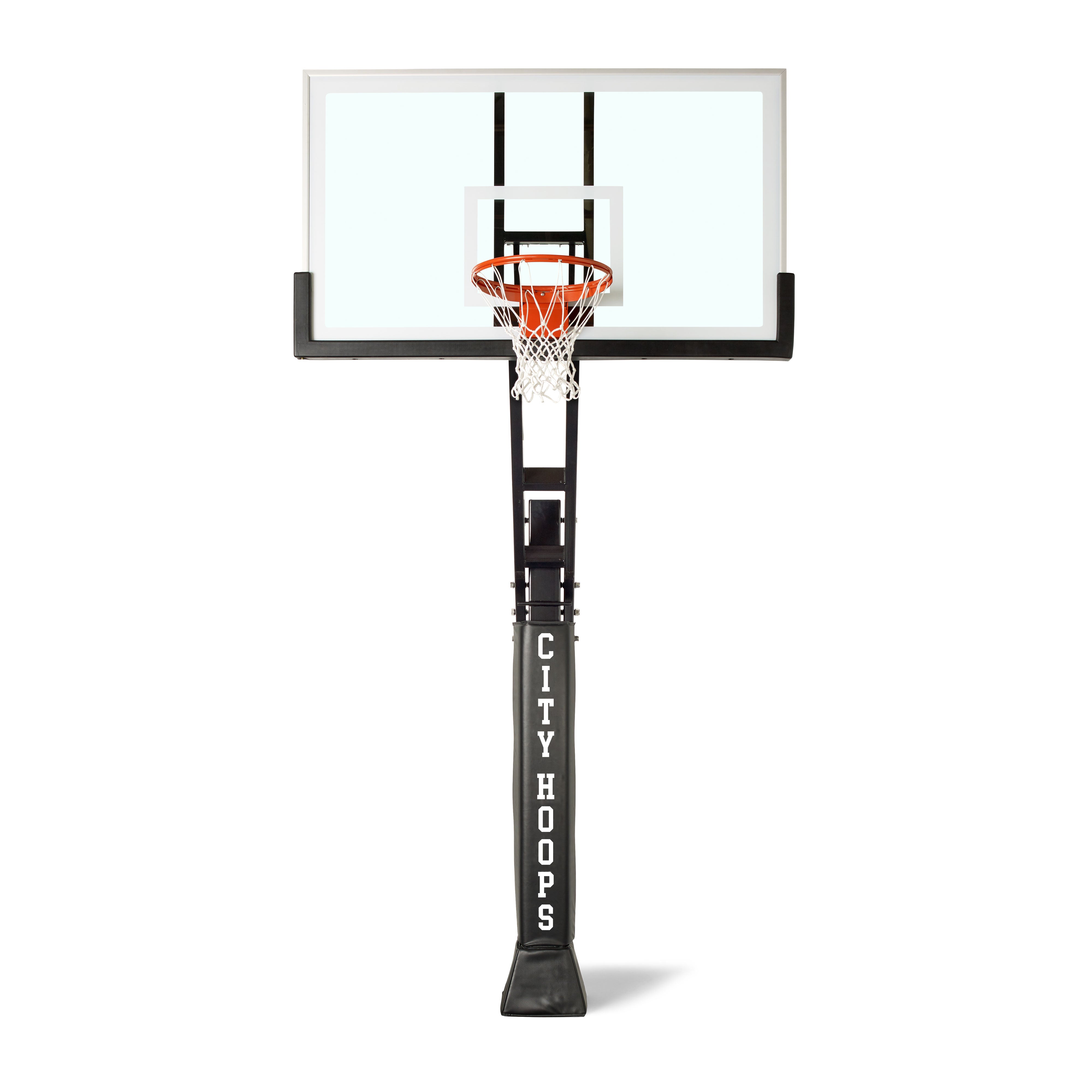
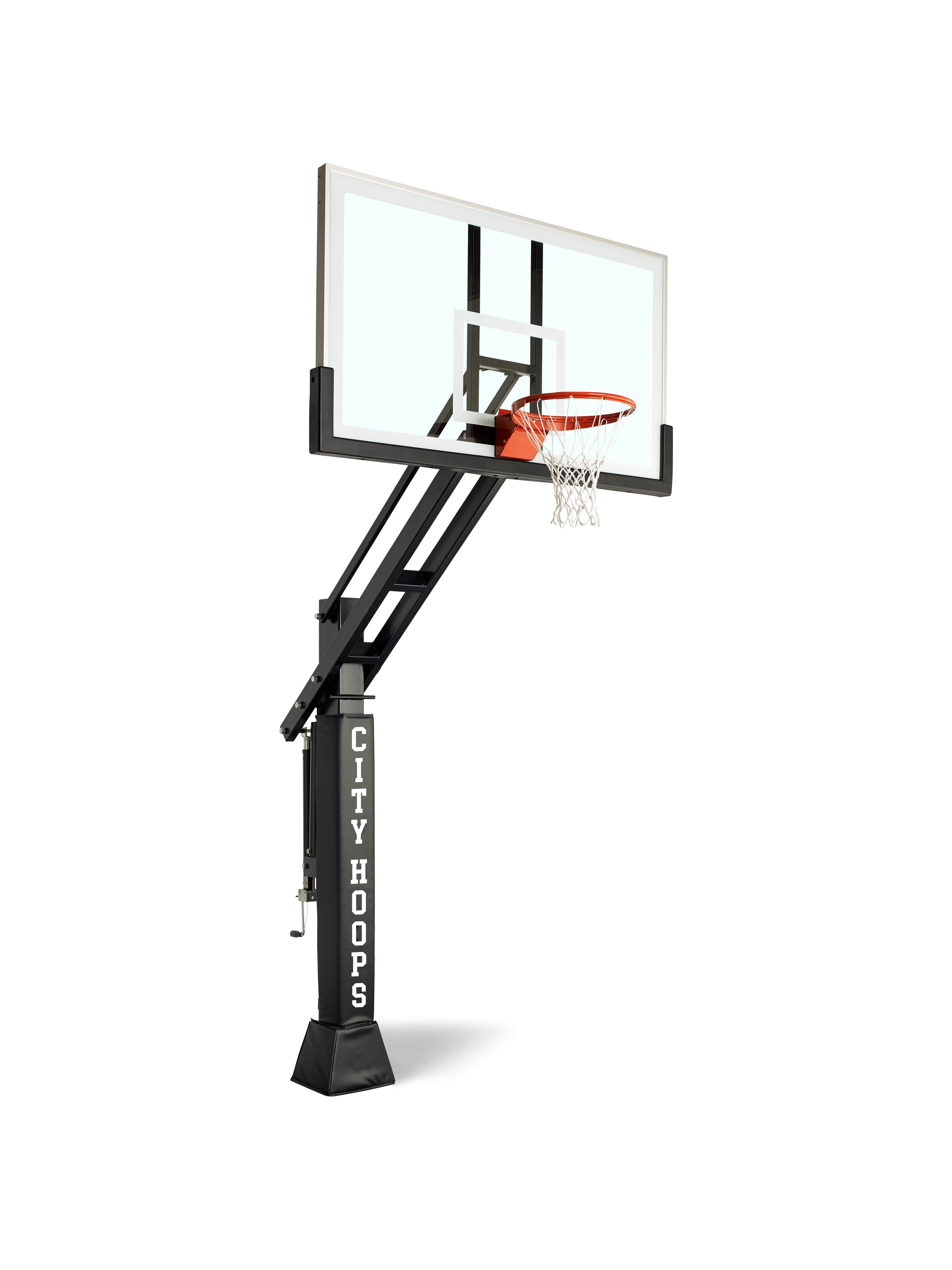
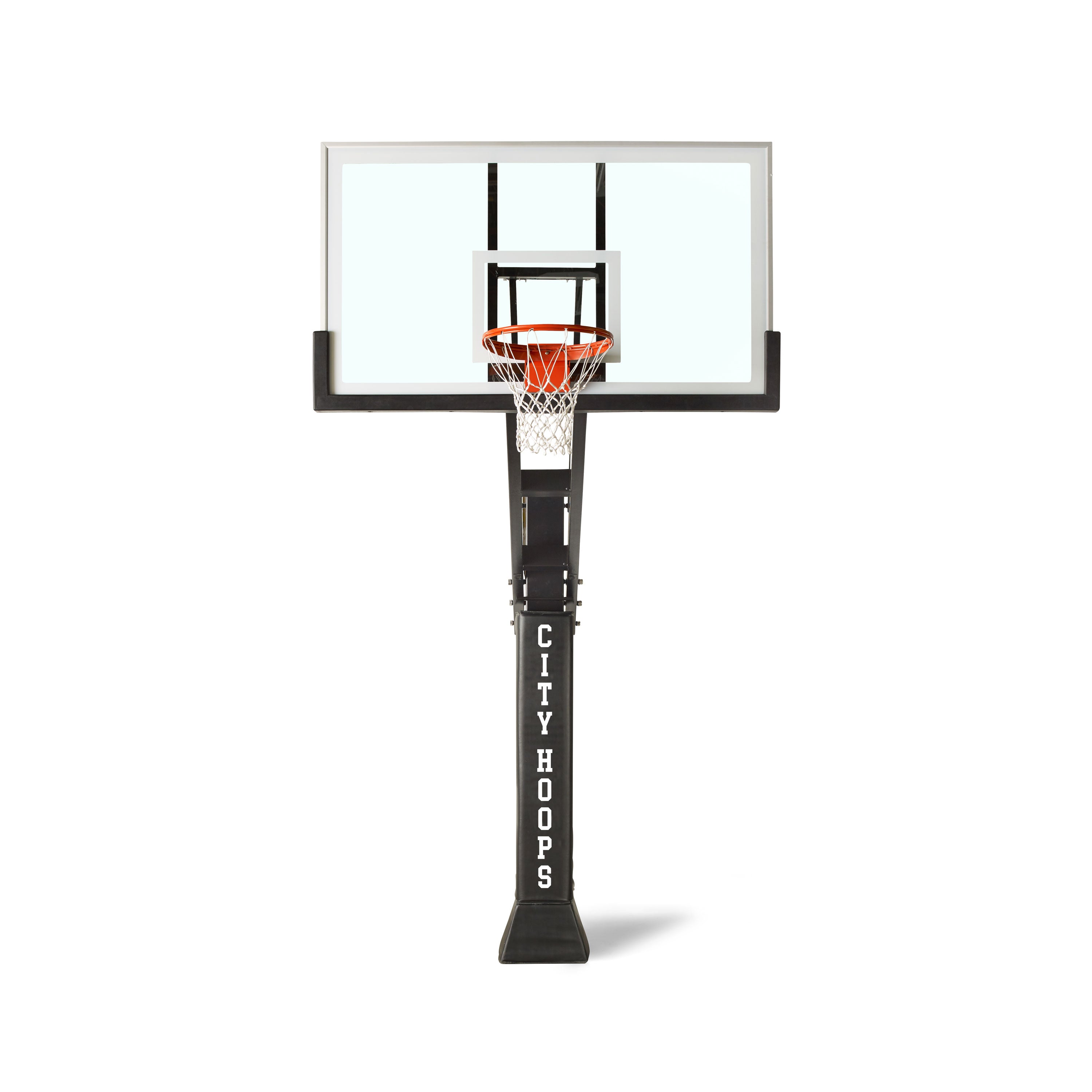
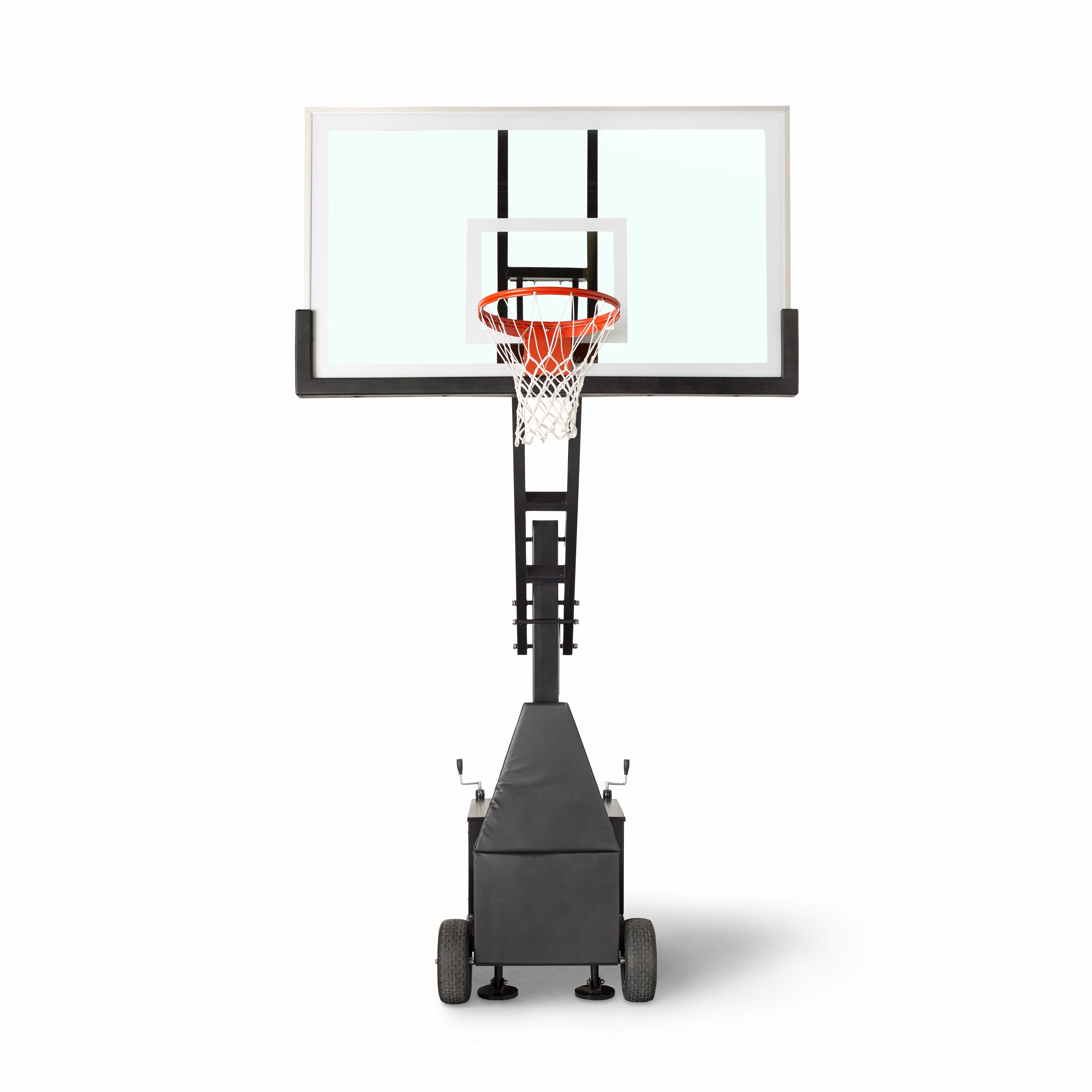
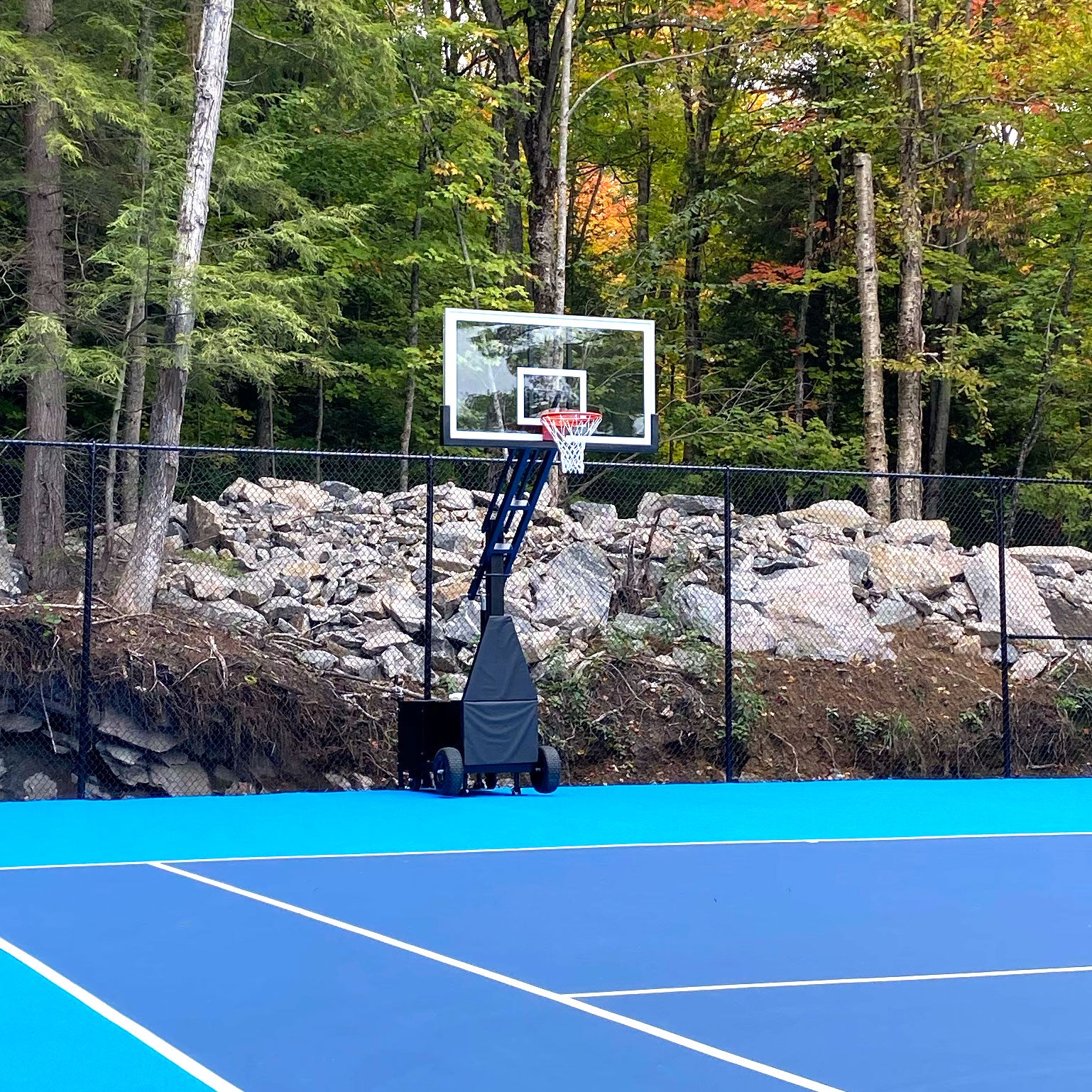
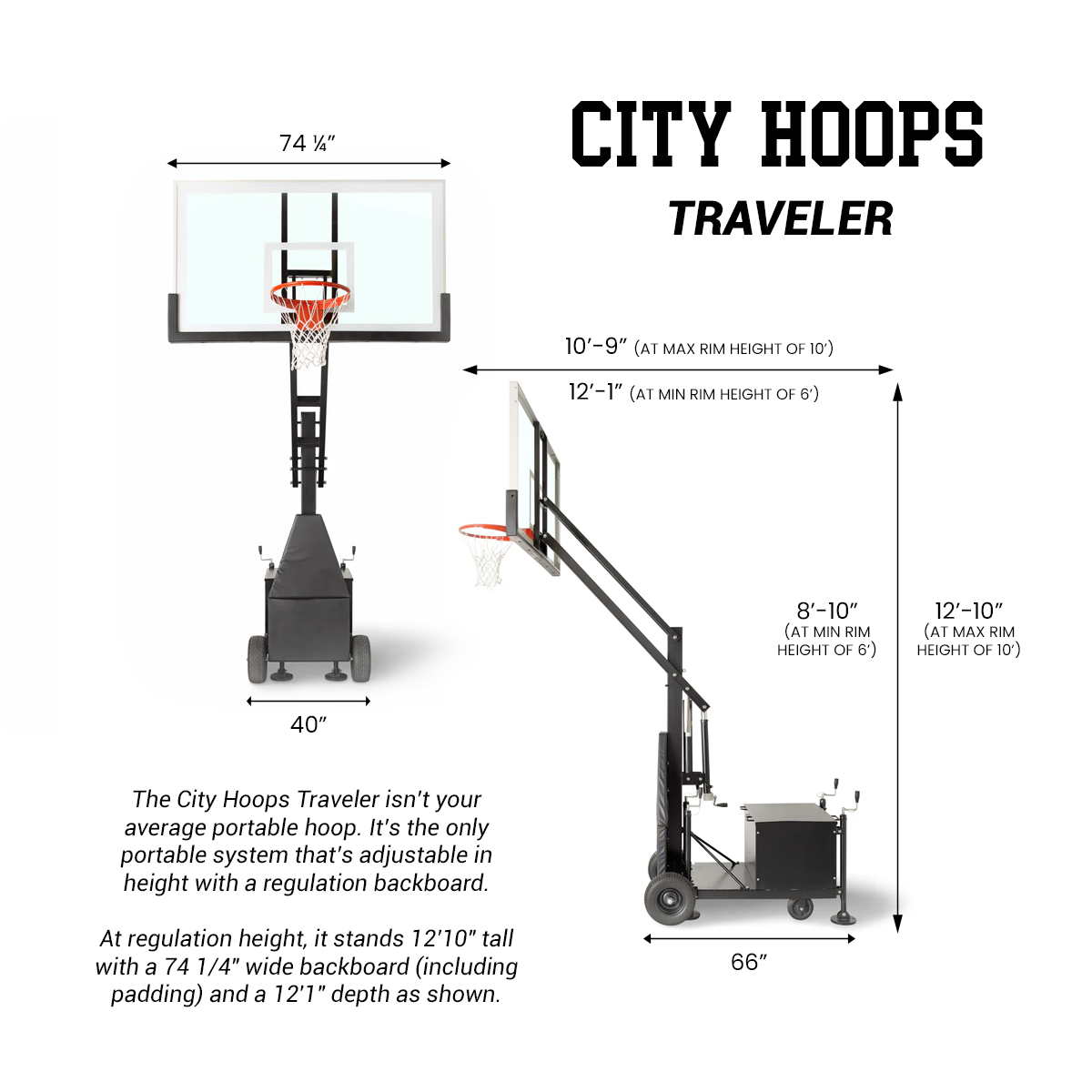
In-ground hoops offer the most stability and a permanent, finished look, ideal for a dedicated court that sees regular use. Portable hoops trade a bit of that stability for flexibility, letting you reposition or store the hoop when the space needs to serve another purpose.
7. Backboard Material: Tempered Glass vs. Acrylic
Backboard material affects both performance and price. Tempered glass offers the truest ball response and is the standard for serious play, while acrylic backboards are a more budget-friendly option that still hold up well for everyday backyard use.

8. Accessories That Make a Real Difference
A few extras can noticeably improve how much your court actually gets used, including:
-
LED hoop lighting, for evening and after-dark play
-
Backstop netting, to keep stray balls from rolling too far
These are easy to overlook during planning, but they tend to be some of the most appreciated additions once the court is finished.
9. Installation Path: DIY, Supply + Hired Labor, or Full Turnkey
Decide early whether you're handling installation yourself, buying materials direct and hiring labor separately, or working with a contractor for a fully managed project. Each path affects your overall cost and timeline differently, and it's worth deciding before you order materials rather than midway through the project.

10. Warranty: What to Check Before You Buy
Not all warranties are created equal. Painted surfaces typically carry little to no warranty, since they require periodic recoating regardless. Modular surfaces and quality hoop systems often carry longer warranty terms, so it's worth reading the fine print and confirming warranty details directly with your supplier before you buy.
Final Thoughts
A great backyard basketball court comes down to planning the details most people overlook, court size, hoop placement, surface choice, and installation path, before a single tile or gallon of coating shows up on site.
DIY Court USA supplies HEXPRO Sport Tile by EIGHTYNINE Sports, Laykold acrylic surfacing systems, and CITY HOOPS basketball hoops to help homeowners, contractors, schools, and facilities plan and build a backyard basketball court that's built to last.
Frequently Asked Questions
Do I need a permit to build a backyard basketball court? It depends on your local zoning and setback requirements. Many towns require a permit, so it's worth checking early in the planning process.
Is HEXPRO Sport Tile or acrylic coating better for a basketball court? Neither is universally better. HEXPRO Sport Tile installs faster with less skill required, while acrylic coating remains a traditional, cost-effective choice for a professional finish.
Should I choose an in-ground or portable basketball hoop? In-ground hoops offer more stability for a dedicated court, while portable hoops offer flexibility if your space needs to serve other purposes too.
How much clearance does a height-adjustable hoop need? CITY HOOPS height-adjustable systems require at least 16 inches of clearance behind the anchor for the height-adjustment mechanism to operate properly.
Can I build a basketball court over my existing driveway or patio? In many cases, yes, as long as the existing surface is in good condition and properly prepared before your new surfacing goes down.

Share:
Custom HEXPRO Sport Tile Courts: Your Court, Your Way